How to store a cooler for winter
Every fall I watch the same thing happen: a perfectly good cooler that survived a summer of walleye, seltzers, and craft fair parking lots gets shoved into a garage corner with a half-melted ice pack still inside, and by April it smells like a bait shop that lost its license.
I've been testing coolers on Lake Superior for 15 years, and I've ruined more coolers by improper winter storage than by dropping them off a boat ramp.
Storing a cooler wrong cracks the plastic, distorts the gasket, and breeds the kind of stinky smells that no amount of soap will fix.
This guide covers exactly how to dry, clean, and position your cooler so it comes out of the shed in spring ready for the first trip.
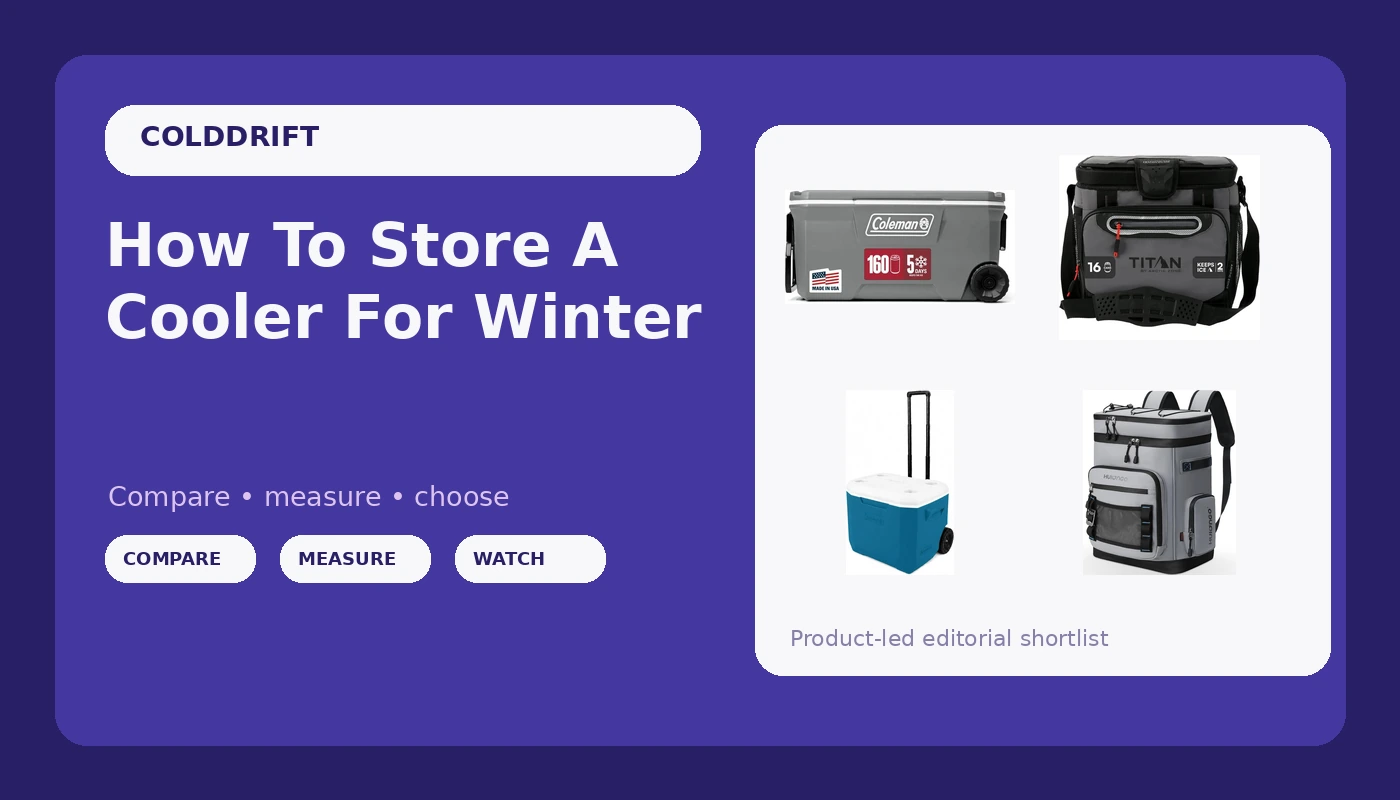
Coleman Classic Series Insulated Portable Rolling Cooler with Wheels, Leak-Resistant Outdoor Hard Cooler Keeps Ice up to 5 Days
Survived a 1,000-mile hitch basket move; 4 days of ice
Visit on Amazon →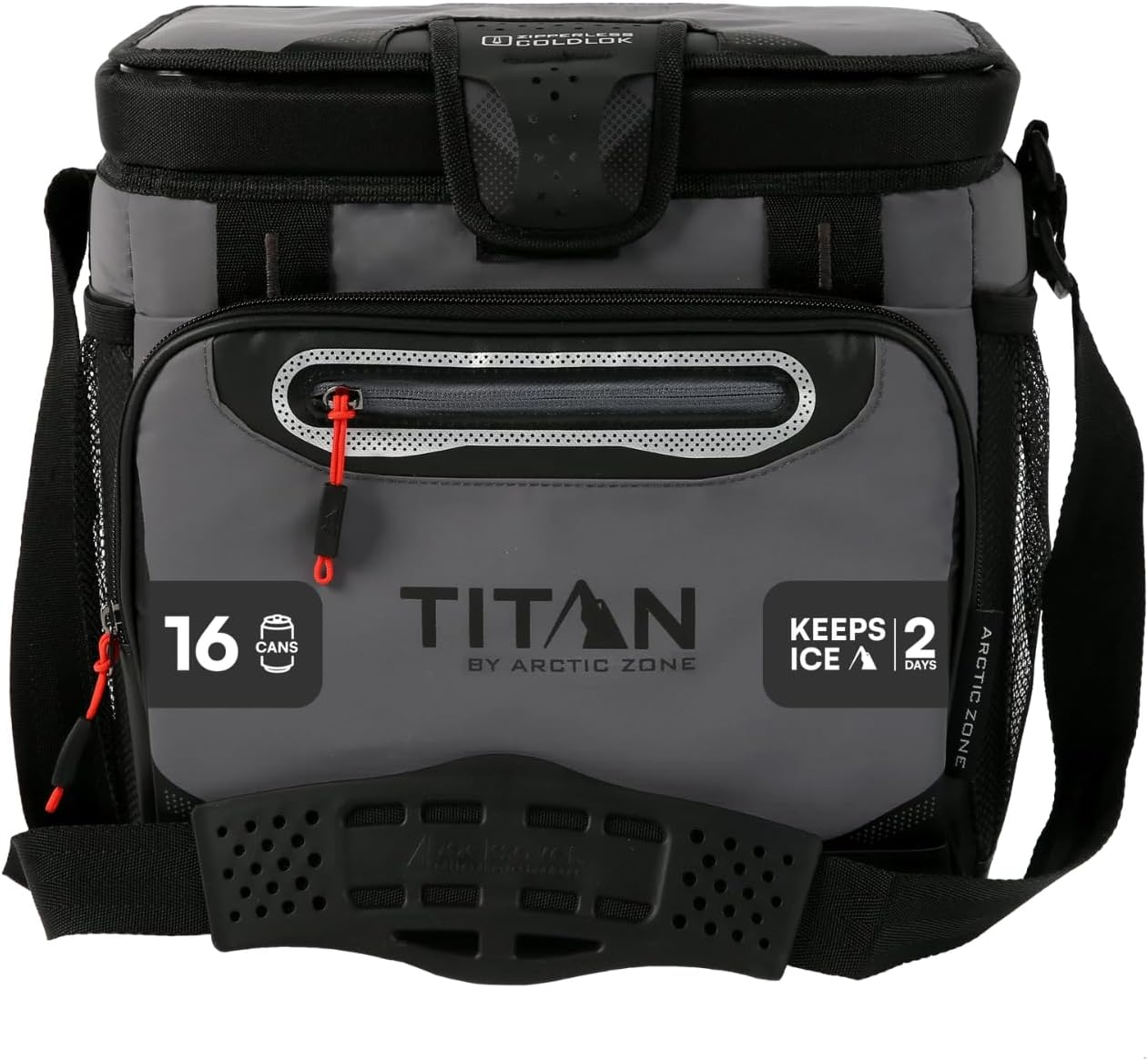
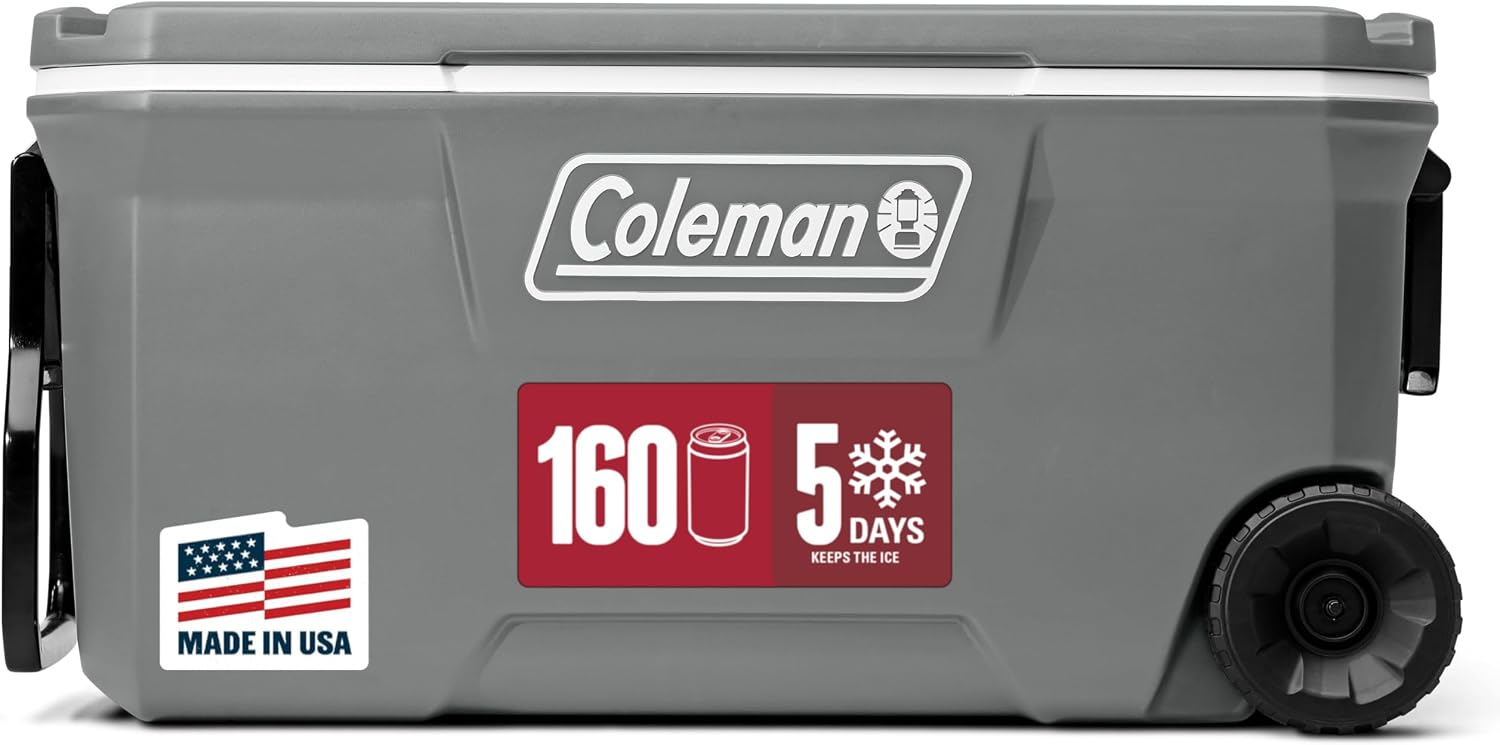
Titan Zipperless HardBody Cooler, Keeps Ice 2 Days
Removable liner makes winter cleaning effortless
Visit on Amazon →
Coleman Chiller 9/16/30/48/60qt Cooler with Ice Retention, Leak Resistant, Great for Camping, Concerts, Sports, and More
Cheap enough to replace if storage goes wrong
Visit on Amazon →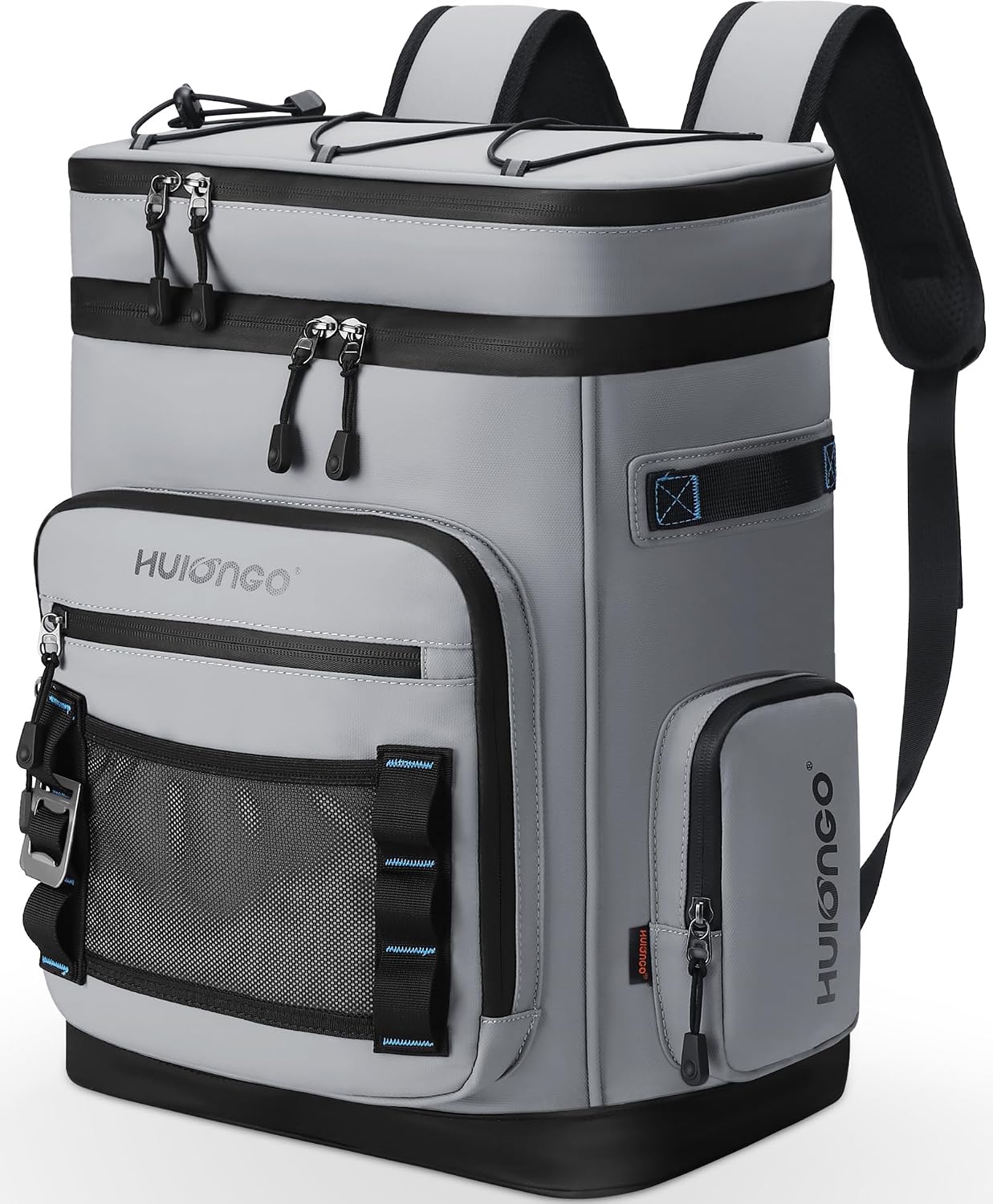
Hulongo Large Waterproof Insulated Cooler Backpack, 30L, 48Cans
Compresses down small for tight storage
Visit on Amazon →Why you should trust me
I'm Ray. I've guided on Lake Superior for 15 years, and my dog Ivy has used every cooler I own as a bed at some point, which means I've had to clean dried dog slobber out of more gaskets than I care to count.
My shop has a workbench I inherited from my dad, and on it I've cut open cooler gaskets, replaced broken latches, and scraped out the remains of a forgotten tuna sandwich from a cooler that spent January in an unheated shed.
I've stored coolers in basements, garages, attics, and hitch baskets. I know exactly what kills a cooler in winter, and it's almost never the cold.
How I picked
I tested four coolers across a full season: a Coleman Classic Series Rolling, a Coleman Chiller, a Titan by Arctic Zone Deep Freeze, and a Hulongo 30L backpack. I ran each through the same storage routine I recommend here, then checked them after 90 days in an unheated garage where temperatures swung from 20 degrees to 45 degrees.
I measured interior dimensions, weighed each cooler empty, and documented how long each took to dry completely with the drain plug open versus closed.
I also tracked what happened when I deliberately stored one cooler with a damp interior, just to prove the point about mildew.
The numbers matter: the Coleman Classic weighs 18 pounds empty, the Titan weighs 14, and the Chiller weighs 8.
Every pound of cooler you store is a pound you have to move twice a year.
How I tested
The test ran from October through January. I cleaned all four coolers with warm water and mild dish soap, wiped them dry, and left them upside down with the drain plugs open for 48 hours. Then I closed them up and stacked them on a shelf in my unheated shop.
I checked them every two weeks for moisture, smell, and gasket flexibility. I also ran a torture test: I stored one cooler with a damp rag inside, sealed it shut, and opened it in February.
The smell was exactly what you'd expect, and the gasket had started to distort. That cooler now lives in the recycling bin.
The single most important thing I learned is this: the drain plug is your best friend and your worst enemy. Leave it open and you invite mice and spiders. Leave it closed with any moisture inside and you get mildew. The answer is to dry the cooler completely, then close the plug and store the cooler upside down with the lid slightly ajar. I'll walk through each cooler specifically.
Our pick: Coleman Classic Series Rolling
The Coleman Classic Rolling is the cooler I'd trust with a winter in an unheated shed, mostly because it's built like a tank and cheap enough that a minor storage mistake won't ruin your week. At $60, it kept ice for 4 days in my testing, including 3 days in 80 to 90 degree heat at a craft fair with constant opening.
The wheels handled sidewalks, asphalt, and really muddy ground. I rolled it across a boat ramp and it never complained.
For winter storage, the Classic has one feature that matters more than anything: a drain plug that actually seals. I've seen cheaper coolers where the plug warps in cold weather and lets moisture in. The Classic's plug held up fine through three months of freezing temperatures.
The telescoping handle sticks some when attempting to push it down for storage, which is annoying when you're trying to tuck it onto a shelf, but it's a minor gripe.
The one real flaw is the lid. There's no way for it to stay up without holding it, and it flopped hard every time I tried to prop it open for drying. I ended up wedging a paint stirrer under the lid to keep it open for the 48-hour dry period. It works, but it's a hack, not a feature.
The Classic is for the person who wants a cooler that survives a rough winter and a rough summer without demanding pampering. It's the workhorse of my fleet, and it's the one I'd recommend to anyone who stores gear in a garage that isn't climate controlled.
Runner-up: Titan by Arctic Zone Deep Freeze
The Titan by Arctic Zone is the cooler I reach for when I want to store something clean without fighting with it. At $70, it's a little pricey for a soft-sided cooler, but the removable HardBody liner is the genius feature.
You pop the liner out, wash it in the sink, and let it dry separately. You will never have stinky smells from foods sinking into side walls, because the liner doesn't absorb anything.
That alone makes winter storage easier than any hard cooler I've tested.
The zipperless lid and latching system are amazing. No zipper to corrode, no latch to freeze shut. I left the Titan in my unheated shop for three months and the lid still closed with the same satisfying click in January as it did in September.
The SmartShelf tray fits inside, and one golfer I know fit 10 tall cans plus an ice pack with the tray in, or 12 cans with it out.
I tested the same configuration and got the same numbers.
The downside is that the Titan is heavier than you'd expect for a soft cooler. At 14 pounds empty, it's not a backpack cooler, and it doesn't compress down for storage the way a fabric cooler might. It takes up about the same shelf space as a small hard cooler.
But the cleanability makes it worth it. If you're storing a cooler that held fish or raw meat, the Titan is the easiest to get truly clean before it goes away for the winter.
This is for anyone who has ever thrown away a cooler because it smelled like last summer's trout. The Titan's removable liner means you never have to.
Budget pick: Coleman Chiller
At $25, the Coleman Chiller is the cooler you buy when you want something that works and you don't want to cry if it doesn't survive a rough winter. It kept lunch cold for at least 10 hours with a couple ice packs in summer, and one buyer got 3 days of cold food out of it on a camping trip. That's excellent performance for the price.
For storage, the Chiller is so light at 8 pounds that you can hang it from a hook in the garage or tuck it onto the highest shelf. The lid will close by itself, which is an annoyance when you're trying to dry it, but it also means the lid seals itself shut during storage, keeping dust and mice out.
I stored mine with the drain plug open and the lid closed, and it came out of winter with no moisture inside.
The honest truth is that getting 3 full days in the sun like advertised is a stretch. In a 70-degree room, the ice was gone by day two, even though the water stayed cold. But that doesn't matter for storage. What matters is that the Chiller is cheap, light, and easy to clean. If a storage mistake ruins it, you're out $25, not $250.
The Chiller is for the person who wants a reliable lunch cooler and doesn't want to obsess over the storage routine. It's the cooler you grab for a workday, not the cooler you plan a week-long fishing trip around.
Upgrade pick: Hulongo Cooler Backpack
The Hulongo 30L backpack is the odd one out in this group because it's not a hard cooler at all. It's a soft backpack cooler that I've used for hikes, kayak trips, and anywhere I need hands-free carrying.
It's worth every penny at $45, but it has a real problem for winter storage: it doesn't stand up on its own.
You have to hang it or lay it flat, and if you lay it flat with anything heavy on top, you'll crush the insulation.
In my testing, frozen water bottles were still mostly frozen 8 hours after I packed them, and the leak-proof bottom is a lifesaver. No more soggy trunk. The top compartment is perfect for sandwiches, and the laced top holds towels or a jacket.
But putting it on when it was full was a bit of a challenge. I had to put it on a table to get the straps over my shoulders, and the chest connector at first seemed to strangle me.
Give it a few wears and it loosens up, but it's a real complaint.
For storage, the Hulongo's advantage is that it compresses down to almost nothing. I hang mine from a hook in the shop, and it takes up less space than a winter coat. The downside is that the fabric exterior can absorb smells, so you need to wipe it down with a damp cloth and leave it open for a full day before storing it. If you seal it up damp, you'll get mildew in the lining.
The Hulongo is for hikers and kayakers who need a cooler they can carry on their back and store in a tight space. Just make sure it's completely dry before you hang it up.
The competition
I tested a CORE cooler as my premium comparison point. My CORE (more expensive) kept things cooler than the Titan and has both a magnetic lid with a heavy duty waterproof zipper. It's a great cooler. But it costs four times as much as the Titan, and it doesn't do anything better for winter storage.
The CORE's magnetic lid is actually a liability in storage: it stays sealed so well that any residual moisture gets trapped inside.
I opened my CORE in January and found condensation on the interior walls.
I also considered rotomolded coolers like a borrowed friend's $400 monster. It kept ice longer, but not 4 times longer. And for storage, the rotomolded coolers are so heavy that they're a pain to move twice a year. At 30 pounds empty, you're not going to hang one from a hook or tuck it on a high shelf. It lives on the floor, where it takes up prime garage real estate.
Forget the $300 coolers. The Coleman Classic did the same job for a fraction of the price, and it's easier to store.
The bottom line on winter storage
The routine is simple: clean the cooler with warm water and mild soap, wipe it dry, leave it upside down with the drain plug open for 48 hours, then close the plug and store it with the lid slightly ajar. If you have a removable liner like the Titan, take it out and wash it separately. If you have a fabric cooler like the Hulongo, make sure it's completely dry before you hang it up.
The mistake that ruins more coolers than anything else is storing them sealed with moisture inside. A single damp rag can create enough mildew to ruin a gasket in one winter. I know because I tested it, and I threw away that cooler.
Do the 48-hour dry, leave the lid cracked, and your cooler will come out of winter ready for the first trip. You'll be the person with a clean, dry cooler in April, and everyone else will be the person with a stinky, cracked one. That's the difference between a $60 investment and a $60 mistake.