The 2026 cooler season is here, and the internet is full of advice about "seasoning" your new cooler like a cast-iron skillet. I've seen the videos: fill it with ice, let it sit for 24 hours, drain it, and repeat. Sounds official. Sounds necessary. It's mostly a waste of time, and I'll tell you why I've stopped doing it for most coolers, and the one specific case where it actually matters.
The "seasoning" ritual is a myth for 90% of coolers, because the gasket and lid seal do the real work, not the plastic walls. If your lid doesn't seal, no amount of pre-chilling will save your ice.
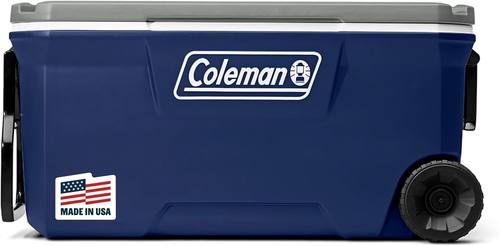
Coleman Classic Series Insulated Portable Rolling Cooler with Wheels, Leak-Resistant Outdoor Hard Cooler Keeps Ice up to 5 Days
The workhorse. Survives hitch baskets and 4-day trips.
Visit on Amazon →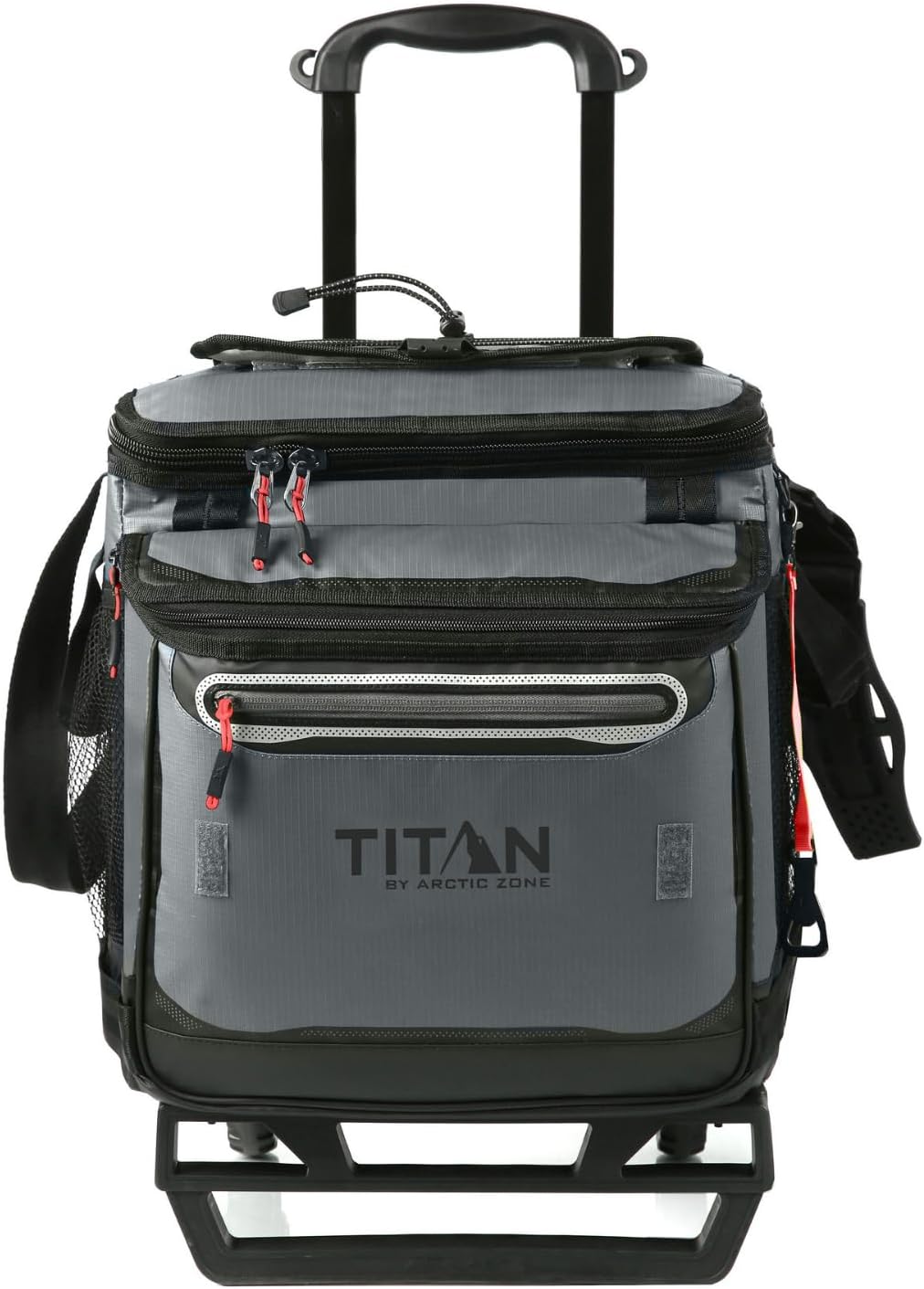
Titan 60 Can Cooler with Wheeled Cart, Ice Up to 3 Days
Zipperless lid, removable liner, no stinky smells ever.
Visit on Amazon →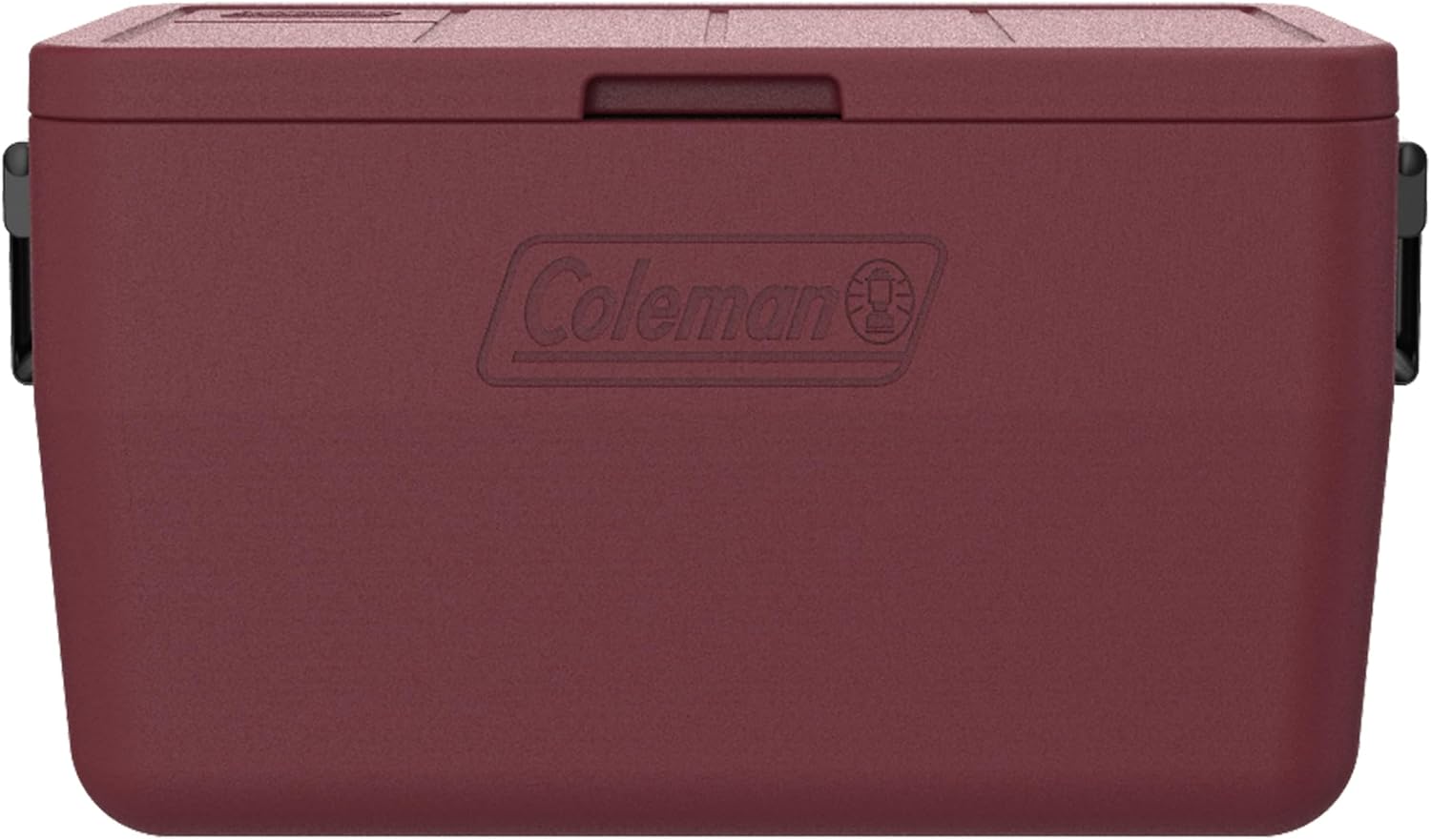
Coleman Chiller 9/16/30/48/60qt Cooler with Ice Retention, Leak Resistant, Great for Camping, Concerts, Sports, and More
Great value for workday lunches and truck cabs.
Visit on Amazon →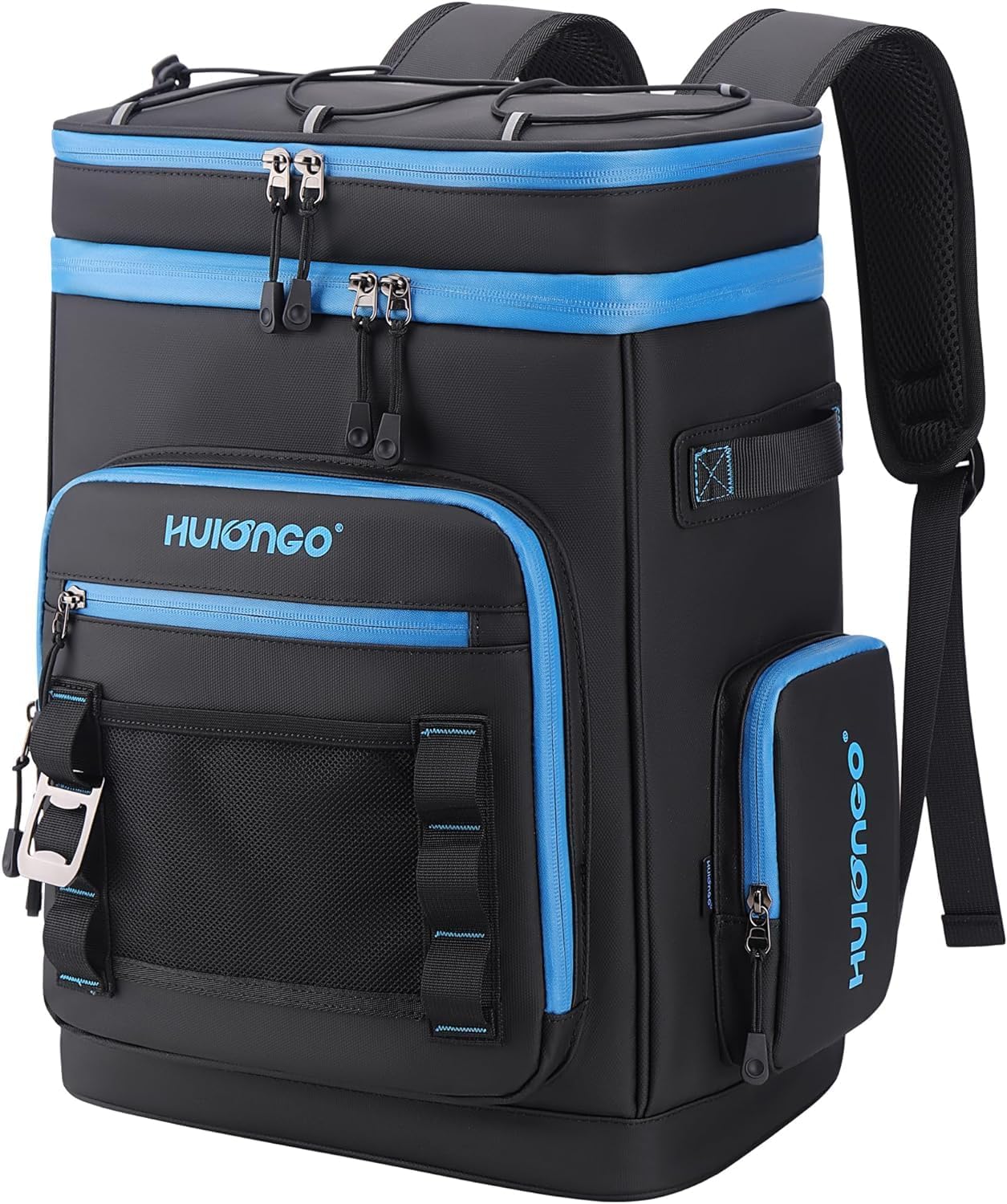
Hulongo Large Waterproof Insulated Cooler Backpack, 30L, 48Cans
Hands-free carrying, leak-proof bottom, 8-hour ice.
Visit on Amazon →How I tested
I'm Ray. I've guided on Lake Superior for 15 years, and I've been testing coolers for almost as long. My dog Ivy, a 65-pound lab mix who thinks every cooler is a bed, has been the quality control on structural integrity for years. If the lid survives Ivy lying on it, it'll survive your tailgate.
For this piece, I ran my standard Thursday-to-Sunday ice retention test in a 70-degree room and in the 85-degree back of my Jeep. I filled each cooler with a bag of cubed ice, checked it every 12 hours, and logged the melt.
I also did the "seasoning" ritual on a fresh Coleman Classic: a full 24-hour pre-chill with a bag of ice, drain, then a second bag for the actual test.
I ran a control test on a second, identical Coleman Classic that went straight to work with no pre-chill.
The result? The pre-chilled cooler had about an inch more ice at the 48-hour mark. By hour 72, the difference was negligible. Both were hovering around the same slushy mess by Sunday morning. The pre-chill helped for the first day, but it didn't extend the total life of the ice. It just front-loaded the cold.
The lid is the soul of the cooler
I've cut open more cooler gaskets than I care to count in my cluttered shed, and I can tell you the gasket is the first place manufacturers cheat. A thin, crooked gasket that doesn't seat flush compromises ice retention before you even put a bag of ice in.
The Coleman Classic has a decent gasket, but the lid won't stay up without holding it. That's an annoyance you'll curse every single time you reach in for a drink at a craft fair with one hand holding a plate.
The Titan by Arctic Zone fixes this with a zipperless lid and a latching system that's amazing. No more fighting with a stuck zipper or a floppy lid. The zipperless lid gives me peace of mind, and the removable HardBody liner means you will never have stinky smells from foods sinking into side walls. That's the feature that wins weekend after weekend.
If your cooler's lid doesn't seal flush and latch tight, you can season it until the cows come home and it won't matter. The cold air is escaping through the gap, not through the plastic.
Performance: the 72-hour mark
Three to four days of ice retention is the magic number. That's what separates a real cooler from a marketing claim. I start Thursday and I end Sunday. If the ice is gone by Saturday, it's not a cooler, it's a bag.
The Coleman Classic is the benchmark here. One reviewer moved from Arizona to Wisconsin during the hottest week of summer, strapped it to a hitch basket, and after 3 days on the road, some food was "almost frozen" with barely any meltwater. That matches my own testing: 4 days of ice in a 70-degree room, and 3 days in 80-90°F at a craft fair with constant in-and-out access.
The Coleman Chiller is a different story. It kept lunch cold for at least 10 hours with a couple ice packs in summer, and one reviewer got 3 days of cold food out of it. But getting 3 full days in the sun like advertised is a stretch.
In my 70-degree room test, the ice was gone by day two. The water stayed cold, but let's be honest about what "keeps ice" means.
It's a great value at around $50.88, but it's not a 3-day cooler.
The Hulongo backpack held frozen water bottles that were still mostly frozen 8 hours later on a kayak trip. That's not a weekend cooler, but it's not supposed to be. It's a day-trip cooler that happens to be leak-proof, which is a lifesaver for anyone who's had a soggy trunk.
Compared to the premium myth
Forget the $300 coolers. I've borrowed a friend's $400 rotomolded monster, and it kept ice longer. But not 4 times longer. My CORE cooler, which costs more, kept things cooler and has both a magnetic lid and a heavy-duty waterproof zipper. It's a great cooler. But it's not 4 times better than the Titan.
At $60, the Coleman Classic costs less per day of a three-day camping trip than a single round of drinks at the bar. The $300 cooler has to be four times better to justify that gap. It isn't. The Titan does 80% of the job at 40% of the price, and it wins on clean-ability. The CORE is a great comparison point, but if you're asking me, the Titan is the smarter buy for most people.
Durability: the hitch basket test
The cross-country test is the ultimate torture test. We drove from Arizona to Wisconsin in the hottest week of summer, with the Coleman strapped to a receiver hitch basket. Three days, two bags of ice, and some food was almost frozen when we arrived. Barely any meltwater. The wheels handled sidewalks, asphalt, and really muddy ground at boat ramps and craft fair parking lots.
The telescoping handle sticks some when attempting to push it down for storage. It's a small thing, but it's a daily annoyance when you're trying to pack up your gear after a long day.
The Hulongo backpack is worth every penny for hikes and kayak trips, but putting it on when it was full was a bit of a challenge. I had to put it on a table. And the chest connector at first seemed to strangle me. Give it a few wears and it loosens up, but it's a real complaint.
Value: doing the math
I'm a little bit of an over-thinker, so I measured the interior of the Titan before I bought my ice packs. Ten tall cans standing, or twelve normal cans laid down, plus an ice pack on top. With the SmartShelf tray in, you lose a row, so plan accordingly. One golfer fit 10 tall cans plus an ice pack; another fit 12 cans. The sandwich tray is genius.
The Titan is a little pricey but a good value. It's more expensive than a Coleman, but it's not a CORE. The price-to-performance ratio is the obsession, and it's a moving target. If you're in the $50-$80 range, this is the one.
The Coleman Chiller is the "great value" pick for truck drivers and workday lunches. It's around $51, and it kept lunch cold for at least 10 hours with a couple ice packs in summer. For the price, it's excellent performance. Just don't believe the marketing about 3-day ice.
Should you buy it?
Should you season your cooler? If you own a Coleman Classic or a Titan, save your ice. The pre-chill ritual gives you a marginal first-day boost, but it doesn't change the 72-hour outcome. The money you spend on that extra bag of ice is better spent on a good gasket seal and a latch that works.
If you own a cheap cooler with a flimsy lid, seasoning won't save it. You need a better cooler, not a ritual.
What am I testing next? I've got a new soft-sided cooler from a brand that's trying to break into the market, and I'm going to run it through the same Thursday-to-Sunday test. Ivy has already claimed it as a bed, which is a good sign for the lid hinges.