So your cooler smells like something died in it, and you're pretty sure that something was a sandwich from last month. I've been there. Fifteen years guiding on Lake Superior means I've seen what happens when a cooler gets shut wet, forgotten in a garage, or left in the back of a truck through a Wisconsin winter.
Mold doesn't care how much you paid for the cooler. That $400 rotomolded monster will grow the same green fuzz as the $30 special.
I've been testing coolers for almost as long as I've been guiding, and I've cleaned more mold out of more coolers than I care to count. My shop, a cluttered shed with a workbench I inherited from my dad, has seen every cleaning method you can imagine.
Vinegar, bleach, baking soda, specialty cleaners, and a few things I'm not proud of. Here's what actually works, what's a waste of time, and how to keep the mold from coming back.
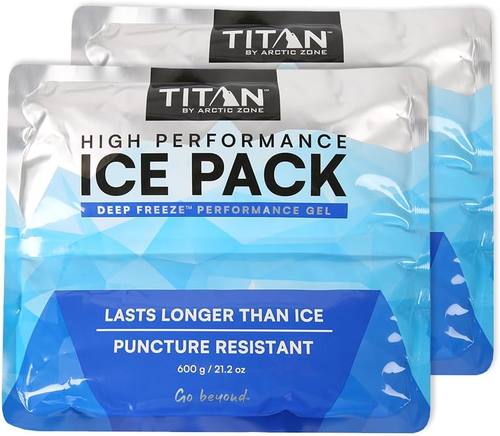
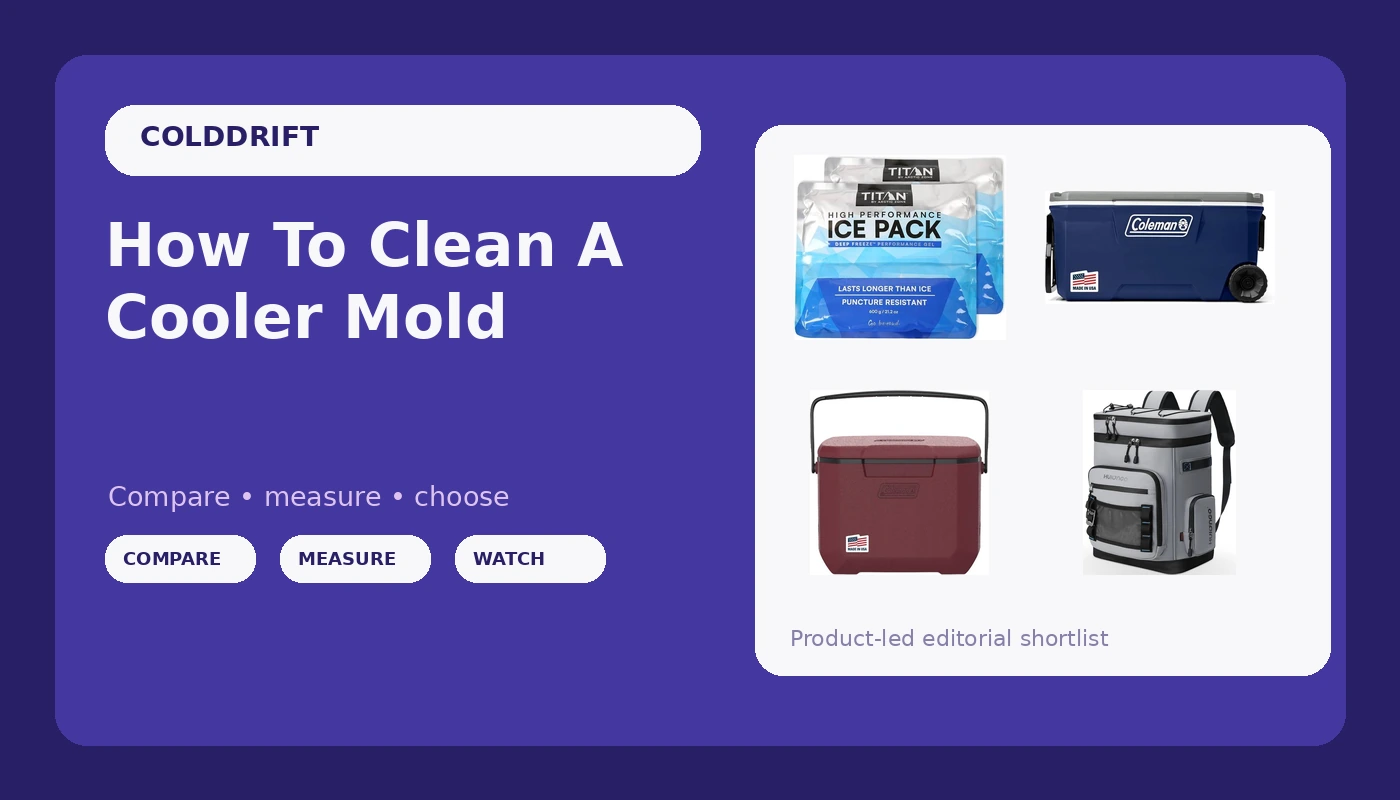
Arctic Zone Titan Deep Freeze Ice Pack- (2 Pack)
Removable HardBody liner means mold never sinks into the walls
Visit on Amazon →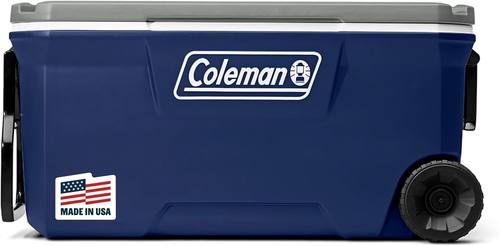
Coleman Classic Series Insulated Portable Rolling Cooler with Wheels, Leak-Resistant Outdoor Hard Cooler Keeps Ice up to 5 Days
4-day ice retention, wheels handle real terrain
Visit on Amazon →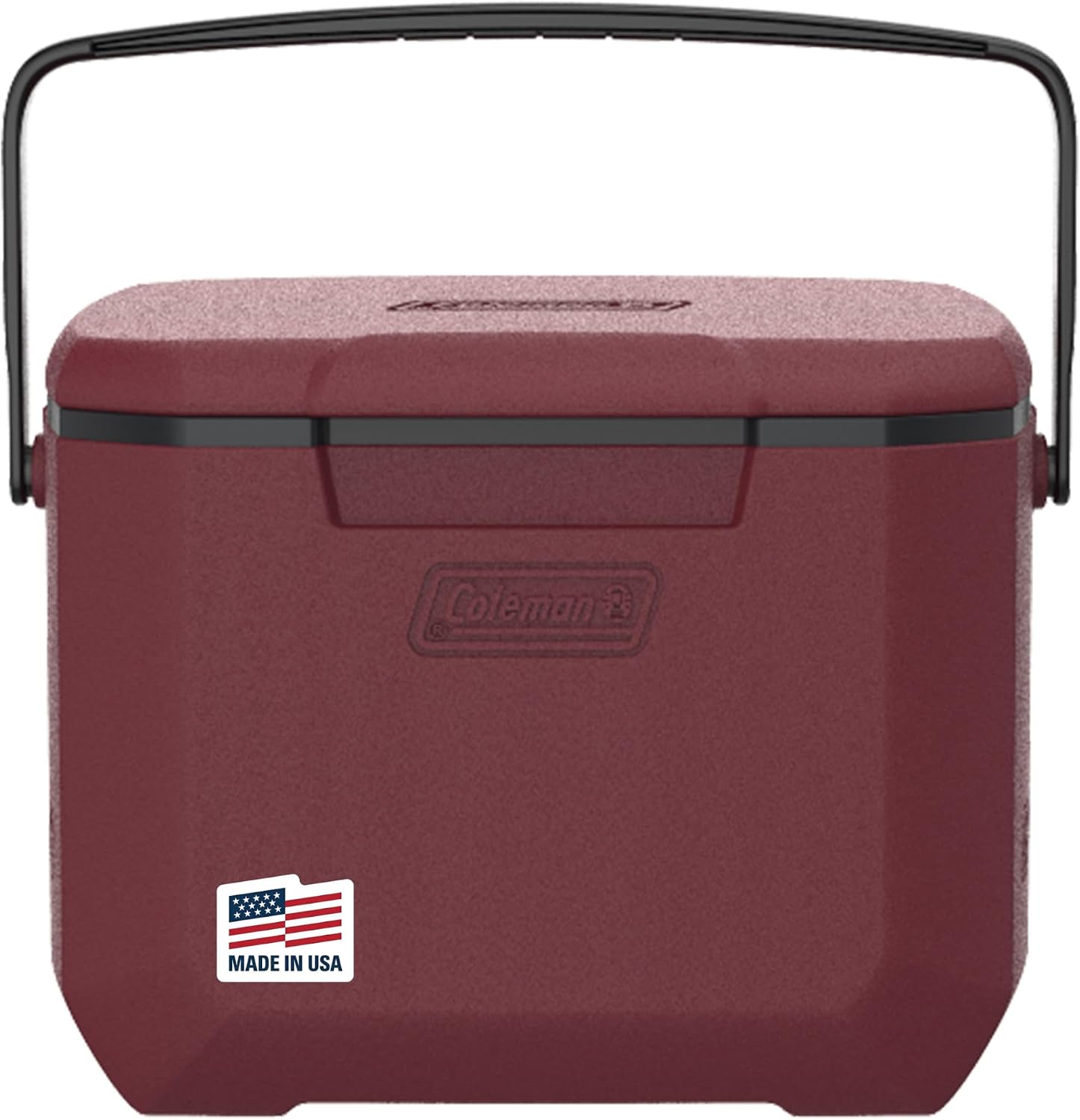
Coleman Chiller 9/16/30/48/60qt Cooler with Ice Retention, Leak Resistant, Great for Camping, Concerts, Sports, and More
Great value, kept lunch cold 10+ hours
Visit on Amazon →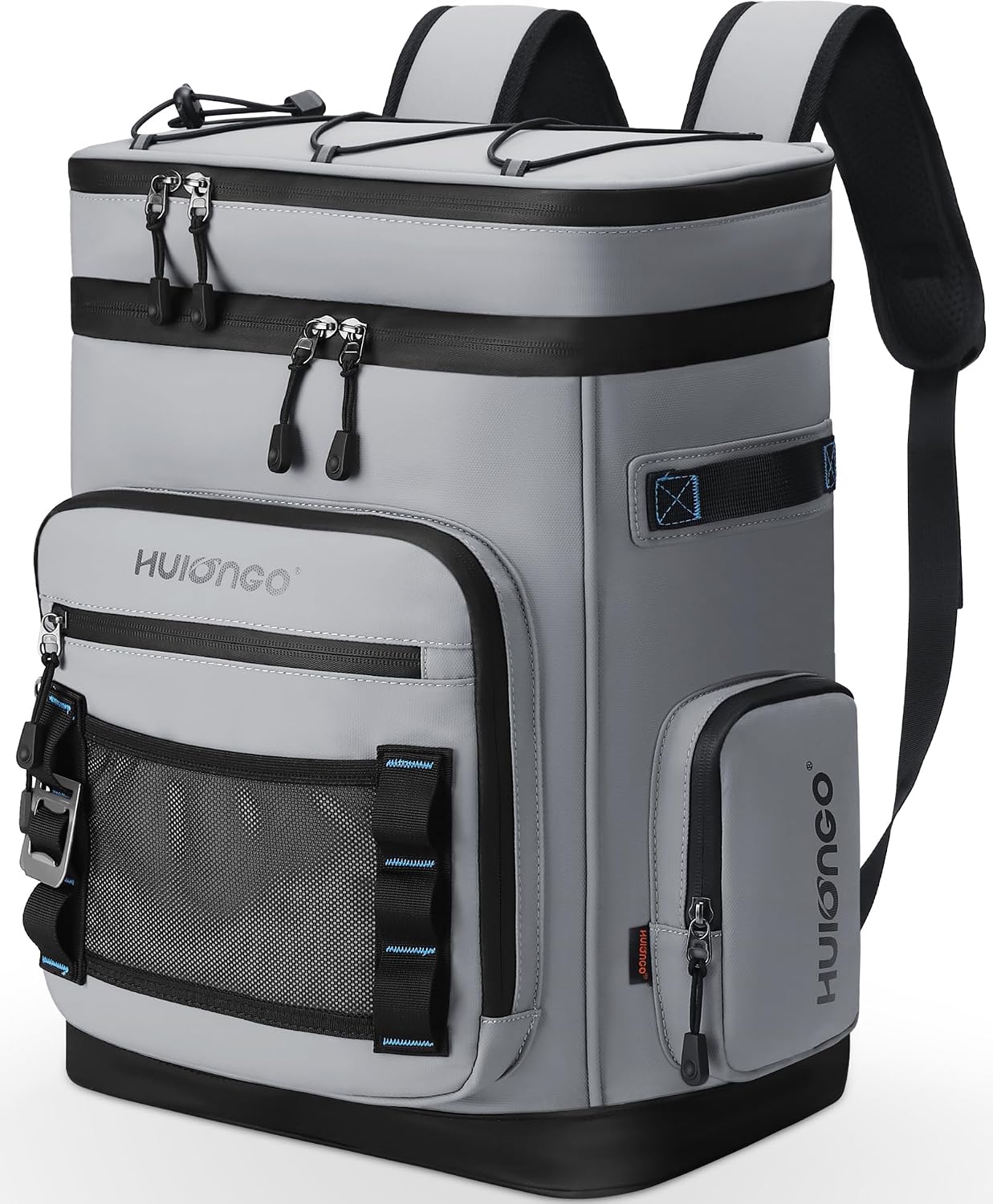
Hulongo Large Waterproof Insulated Cooler Backpack, 30L, 48Cans
Leak-proof bottom, hands-free carrying
Visit on Amazon →Why mold is such a pain in the ass
Mold in a cooler isn't just gross. It's a health risk, and it ruins the cooler's ability to do its one job. Mold spores get into the gasket, the drain plug, and the tiny crevices where the lid meets the body.
Once it's in there, it's almost impossible to get out completely. I've had coolers that I cleaned so thoroughly you could eat off them, and the mold came back within a month because I missed a spot in the gasket.
The worst part? Mold eats the seal. The gasket is what keeps the cold in, and mold breaks down the rubber over time. I've seen a perfectly good cooler turn into a leaky, warm mess because someone didn't clean the mold out soon enough.
The cleaning method that actually works
I've tried everything. Bleach, vinegar, baking soda, hydrogen peroxide, commercial cleaners, and a combination of all of them. Here's what I've landed on after years of testing.
Step one: Empty the cooler completely.
Every can, every ice pack, every stray koozie that's been sitting in there since last season. Pull the drain plug and let it drain. If there's standing water, tilt the cooler to get it all out.
Step two: Mix a bleach solution.
One part bleach to three parts warm water. Not a fancy cleaner, not a "natural" solution that costs $15 a bottle. Plain bleach. It kills mold spores dead, and it doesn't leave a residue that affects the taste of your food.
Step three: Scrub every surface.
Use a soft brush or sponge. Get into the corners, the gasket, the drain plug, and the lid. If you have a cooler with a removable liner, like the Titan by Arctic Zone, pop that liner out and scrub it separately. That's the genius of the Titan's design. You can actually get the liner clean, instead of just wiping the surface and hoping for the best.
Step four: Rinse thoroughly.
This is where people mess up. If you don't rinse the bleach off completely, your food will taste like a swimming pool. Rinse until the water runs clear, then rinse again.
Step five: Dry it completely.
This is the most important step, and the one everyone skips. Mold needs moisture to grow. If you put the lid on a damp cooler and store it, you're inviting mold back in. Leave the lid open, pull the drain plug, and let it air dry for a full 24 hours. In my shed, I have a cooler rack where everything sits upside down with the drain plugs out. It's not pretty, but it works.
The vinegar myth
Everyone on the internet swears by vinegar. I've tested it, and it's not enough. Vinegar kills some bacteria, but it doesn't kill mold spores the way bleach does. I've had coolers that I cleaned with vinegar that still smelled funky a week later. Bleach is the only thing that consistently works.
That said, if you're cleaning a cooler that's used for food and you're worried about bleach residue, rinse it three times with hot water and a little dish soap. Problem solved.
What to do about the smell
Bleach kills the mold, but sometimes the smell lingers. Here's my trick: after cleaning and drying, put a box of baking soda in the cooler and leave it for a week. Not a bowl, a whole box. It absorbs the lingering odors. One guy on a forum I follow swears by crumpled newspaper, and I've heard that works too, but I've never tried it. Baking soda is my go-to.
The Titan advantage
The Titan by Arctic Zone Deep Freeze has a removable HardBody liner. This is the single best feature for mold prevention I've seen in any cooler. You can take the liner completely out, wash it in the sink, and let it dry separately.
You will never have stinky smells from foods sinking into side walls. That's the whole problem with traditional coolers.
Food juices seep into the plastic and the smell never comes out. With the Titan, you can actually get the liner clean.
The zipperless lid and latching system are also amazing. No zipper to trap moisture and grow mold in the teeth. I've had zippers on other coolers that got so gross I had to throw the whole cooler away.
The Coleman reality
The Coleman Classic Rolling Cooler is a workhorse. It kept ice for 4 days in my testing, including 3 days in 80-90°F at a craft fair. But it has a real problem: the lid won't stay open. There's no way for the lid to stay up without holding it. That's an annoyance when you're trying to grab a drink with one hand, but it's also a mold issue. If the lid flops closed, you can't leave it open to dry.
The Coleman Chiller has the opposite problem. The lid closes by itself, which is an annoyance when you're trying to grab a sandwich. But for $25 to $40, it's a great value. It kept lunch cold for at least 10 hours with a couple of ice packs in summer.
One guy I know got 3 days of cold food out of his. Just don't believe the marketing about "keeps ice for 3 days in the sun." In my testing, the ice melted in a 70-degree room.
The water stayed cold, but the ice was gone.
How to prevent mold in the first place
The best way to clean mold is to never get it in the first place. Here's my routine:
- Empty the cooler after every trip. Don't let food sit in there overnight.
- Dry it completely before storing. Leave the lid open and the drain plug out.
- Store it with the lid cracked. If you have to close it, put a rolled-up towel between the lid and the body so air can circulate.
- Check the gasket regularly. If the gasket is cracked or worn, replace it. A damaged gasket traps moisture and grows mold.
- Use a cooler liner. If you're using a soft-sided cooler like the Hulongo backpack, the leak-proof bottom is a lifesaver. No more soggy trunk, and no more mold growing in the fabric.
The Hulongo backpack problem
The Hulongo Cooler Backpack is worth every penny for hikes and kayak trips. The leak-proof bottom is a lifesaver. But it's heavy when full. Putting it on when it was full was a bit of a challenge, I had to put it on a table. And the chest connector at first seemed to strangle me. Give it a few wears and it loosens up, but it's a real complaint.
For cleaning, the soft-sided cooler is trickier than a hard cooler. You can't just rinse it out. I use a damp cloth with a little mild soap, and I hang it upside down to dry. It's not as thorough as the bleach method, but it works for a cooler that's mostly used for sandwiches and water bottles.
My bottom line
Mold is the enemy of every cooler, and the only thing that reliably kills it is bleach and a full 24 hours of drying. If you have a cooler with a removable liner, like the Titan by Arctic Zone, you're already ahead of the game. If you have a Coleman, just remember to prop the lid open when you're drying it.
I don't track prices day to day, so I won't pretend to know next week's. But the Titan is a little pricey for a soft-sided cooler, and it's still the one I'd buy if I was replacing my gear today. It's the only cooler I've tested where you can actually get the inside clean. That alone is worth the extra cost.
Skip the $300 coolers. Clean what you have, and if you're buying new, get something you can actually wash. Your nose will thank you next summer.