I have guided on Lake Superior for 15 years, and I have watched a lot of money go warm. A cooler is a promise, and most of them lie. The only spec that matters is cooler ice retention: how much ice is still in the box after 72 hours with real food in it and the lid opening every time somebody wants a sandwich. Everything else, the handles, the hinges, the color, the sticker price, is decoration until the ice log says otherwise.
This comparison covers four things that show up in the same search results: a budget Coleman, a rotomolded hard cooler, a collapsible soft bag, and a car cup holder expander that is not a cooler at all. I will tell you which jobs each one actually does and which jobs it fails.
The short answer: if you fish, camp, or tailgate more than ten days a year, buy the rotomolded hard cooler, because a one-piece body and a real gasket are the whole game. If you are packing drinks and sandwiches for a Saturday, the budget Coleman is fine and you should keep the rest of your money. If you are carrying cans to a sandbar on foot, the soft bag wins on portability alone. And the cup holder expander is a truck cab accessory, not a cooler, so judge it on that.
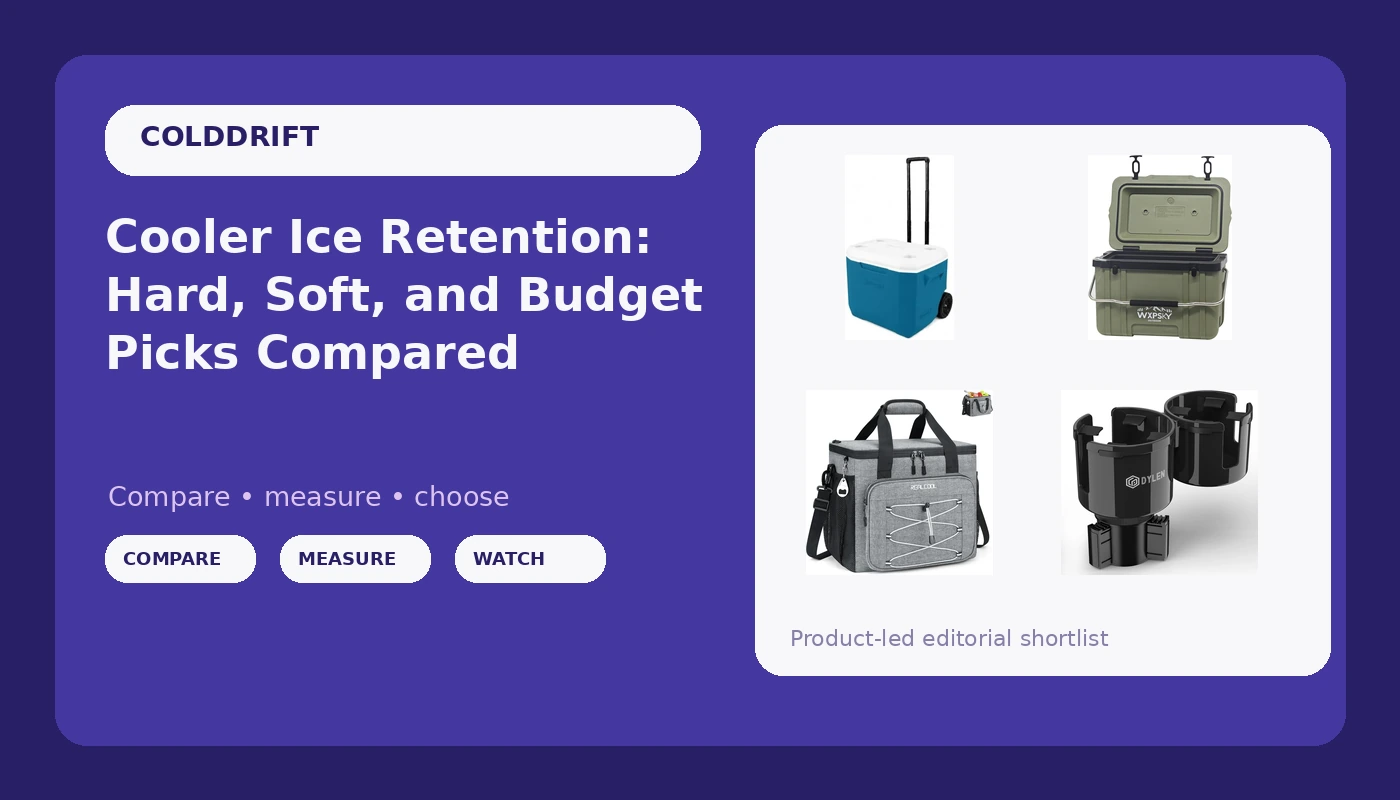
Coleman Chiller Cooler
Light, affordable, easy to lift when full, and sold in sizes from 9qt to 60qt, so there is a version for a picnic or a tailgate
Injection-molded walls and a thin lid mean day-trip ice life, not multi-day ice; the seal is not in rotomolded territory
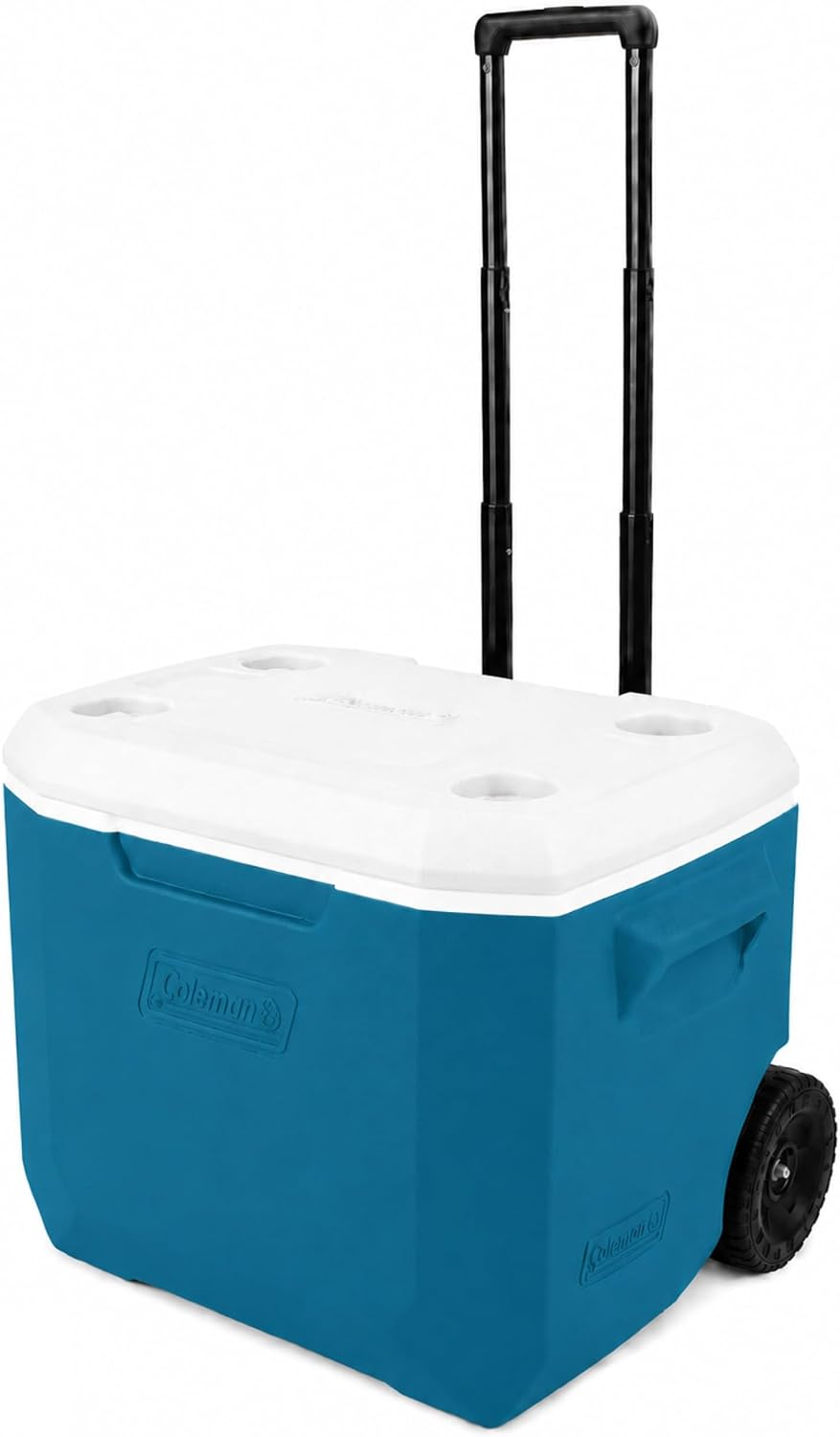
Rotomolded 27Qt Hard Cooler
One-piece rotomolded body, heavy duty handles, a drain outlet, and an ice retention claim of 3-5 days on the listing
27qt fills up fast once food goes in; heavy empty and heavier full; you pay for the molding
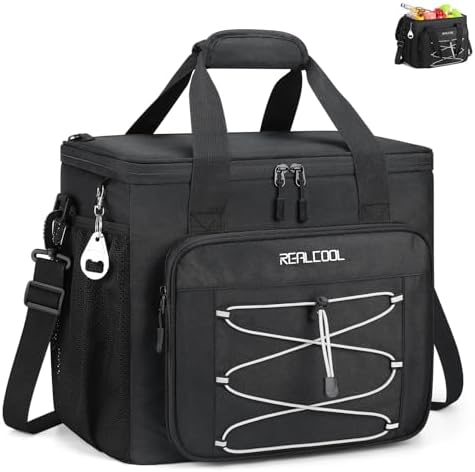
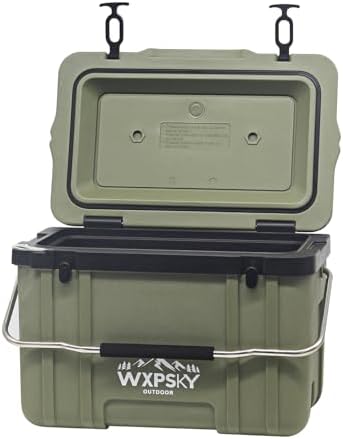
RealCool 35/45 Can Collapsible Soft Cooler Bag
Collapsible, leakproof, holds 35 or 45 cans, and it goes where a hard box cannot: a kayak hatch, a backseat, a quarter-mile walk to the water
Soft walls and a zipper are the weak points; no hard gasket, no drain plug, no multi-day ice
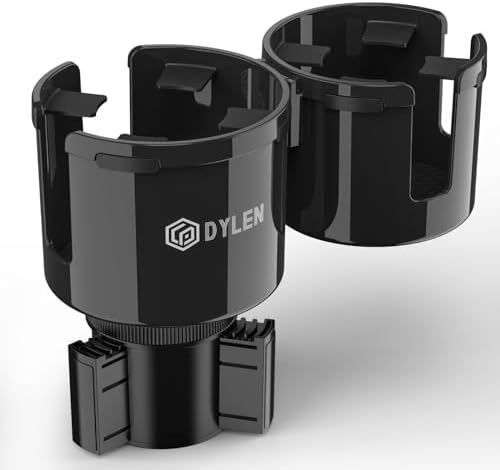
DYLEN Car Cup Holder Expander
Turns one stock cupholder into a holder for a large tumbler or bottle, with a 2-in-1 adapter design
It is not a cooler and it holds no ice; it only keeps your drink from rolling around on the drive
Prices and availability were captured from Amazon Creators API and may change.
How I judge a cooler
Every box that comes through my garage gets the same four questions, and none of them are about color.
First, the gasket. Does it seal clean and cold? A warped gasket is a cooler that lies to you, and you will not find out until day two when the ice is gone and the walleye is warm. Second, the latches. Do they survive a rough road, or do they pop open on the washboard section of a Forest Service road and dump your ice into the truck bed? Third, the drain plug. Drain plugs are a feature until they leak, and I test mine in the driveway, not on the water. Fourth, the lift test. A cooler you cannot carry when it is full is a dock ornament, and that has nothing to do with how good the insulation is.
Then the long test: a 72-hour log with a real load of ice, real food, and realistic opening intervals. That is the only number that means anything to me. A cooler that holds ice in a closed garage for five days is not the same product as a cooler that holds ice in a boat under July sun with three people digging through it. Every claim on a product page is written for the first scenario.
So when I read "ice retention to 3-5 days," I read it as a manufacturing claim and I plan around it. That is not cynicism. That is trip logistics.
The budget pick, and why it is not an insult
The Coleman Chiller is the cooler I recommend to people who describe their summer as "a few picnics and the kids' soccer games." It comes in a pile of sizes, from a 9qt lunch box up to a 60qt family box, the listing calls it leak resistant, and the big thing in its favor is that a human being can carry it. You do not need a buddy and a hand truck to move a 48qt Coleman across a parking lot.
What it is not is a three-day box. Injection-molded walls with a thin lid do not seal the way a rotomolded body seals, and no amount of ice-cold discipline on your end fixes that. If you load it Thursday for a Sunday return, you will be buying ice on Saturday, and you will be doing it with a bad attitude. That is not a knock on the cooler. It is a knock on asking a $60 job to do a $300 job.
The honest framing: this is the cooler for potato salad on a hot day, drinks at the tailgate, and a day on the boat where you are back at the dock by supper. For that, it is the right buy and everything more expensive is wasted money.
The rotomolded argument
The rotomolded 27Qt hard cooler is the one I would put my name behind for a multi-day trip. Rotational molding means the body comes out as one piece instead of a shell with seams, and that single change is what makes the difference between ice on day one and ice on day four. The listing claims 3-5 days of ice retention, and the heavy duty handles and drain outlet tell you this thing was designed by people who actually haul coolers.
The trade-offs are real and I will not soften them. It is heavy before you put anything in it, and it is a two-hand carry once it is loaded. 27 quarts is a two-person day box with a lunch and a limit of fish in it, not a family week box. If you are feeding four people for three days, you need more volume, and more volume in rotomolded construction means more weight, which loops right back to the lift test.
And the price. Rotomolded costs money because the process costs money. I have made fun of premium cooler pricing for years, and I still think some of it is a brand tax. But the gasket seal on a rotomolded lid is a different category of product than the seal on a $60 box, and if you are trusting it with a client's catch on a 90-degree day, that seal is what you are buying.
Soft coolers: the honest case
The RealCool collapsible soft cooler bag is the one that surprised me on paper, because it solves a problem hard coolers cannot. It holds 35 or 45 cans depending on the version, it is leakproof, and it collapses down to nothing in the off season. If you paddle to a sandbar, walk a quarter mile to a fishing spot, or drive a car with a trunk the size of a shoebox, a soft bag is not a compromise. It is the correct tool.
The honest limitation is the closure. On a hard cooler, the gasket and the latches do the sealing. On a soft bag, the zipper does it, and a zipper is the most complicated, most wear-prone part of the whole product. A soft bag with a good zipper and a thick wall will hold ice through a hot afternoon. It will not hold ice through three days, and anyone who tells you otherwise has never opened one on a Sunday morning.
So buy it for the carry, not for the calendar. It is a day bag, and as a day bag it is excellent.
The cup holder expander, and yes, I see the irony
I have a standing complaint about coolers that come with cupholders built into the lid, because if it has cupholders, it is a lunch box. So it is fair to ask why a car cup holder expander is in a cooler comparison.
Because it is not a cooler, and I am not going to pretend it is. It is a 2-in-1 adapter that turns one stock cupholder into a holder for a large tumbler or bottle. The problem it solves is the drive: modern truck cupholders are sized for a soda can, and a 30-ounce insulated bottle rolls around in them like a marble in a coffee can. If you are running to the landing at 5 a.m. with coffee in one hand and the boat in the mirror, that matters more than you would think.
If your cupholders fit your bottles, skip it. If your bottle spends every drive on the passenger seat, it is a cheap fix for a daily annoyance. Just do not buy it thinking it keeps anything cold. It holds your drink. The cooler holds the ice.
What I would buy for each trip
A Saturday picnic or tailgate: the Coleman Chiller. Buy the size that matches your crowd, not the size that matches your ambition, and accept that you are repacking ice for Sunday.
A three-day fishing or camping trip: the rotomolded 27Qt. Pair it with a second box for drinks if you need the volume, because opening your food cooler for a soda is the fastest way to burn a day of ice.
A paddle, a hike, or a small trunk: the RealCool soft bag. Load it cold, keep it closed, and treat the zipper like the gasket it is.
A truck cab that cannot hold your bottle: the DYLEN cup holder expander. Small, boring, useful.
The trade-offs nobody puts on the box
Weight is the one that ruins trips. A big rotomolded cooler full of ice and food is a two-person lift, and if you fish alone, that changes what you should buy. Buy the box you can handle at the end of the day when you are tired, not the box that looks impressive in the garage.
The drain plug is the second one. Test yours in the driveway with the cooler full. I learned that the hard way and lost most of a day of ice because I assumed a plug was seated when it was not.
The third is honest sizing. Manufacturers sell volume, and volume fills up with ice. A box that is "just right" empty will be too small once the ice, the food, and the drinks are in it. Size up if you are feeding people, size down if you are carrying it.
The bottom line
Ice retention is the only spec that survives contact with a real trip, and it is the one you cannot fake with a better handle or a nicer latch. The rotomolded hard cooler is the right answer for anyone who takes cold storage seriously more than ten days a year. The Coleman is the right answer for everyone else, and there is no shame in it. The soft bag is the right answer when your arms and your trunk are the limiting factor. And the cup holder expander is the right answer to a completely different question, which is where to put your coffee.