I have guided on Lake Superior for 15 years, and in that time I have watched more good trips get ruined by a warm cooler than by weather, motor trouble, or plain bad luck. Ice retention is the only spec that matters. Everything else is a handle and a hinge. So when I sit down to compare the best coolers for camping trips, I do not start with brand names. I start with the gasket, the latches, and the drain plug, because those three parts decide whether your food is cold on Sunday or a science experiment.
Here is what is on the table in this one: a hard-sided Coleman Chiller that comes in five sizes, an INSMEER rolling cooler with a lunchbag and a collapsible body, a MIYCOO cooler bag with an expandable double deck, and the least glamorous product of the four, a two-pack drain plug replacement kit for Coleman Xtreme coolers. Three of them carry ice. One of them keeps the other three honest.
The short answer: match the format to the trip. A hard box for a three-day run, a rolling soft cooler for parking lots and tailgates, a cooler bag for day trips and groceries, and a spare drain plug in the truck box whether you think you need it or not.
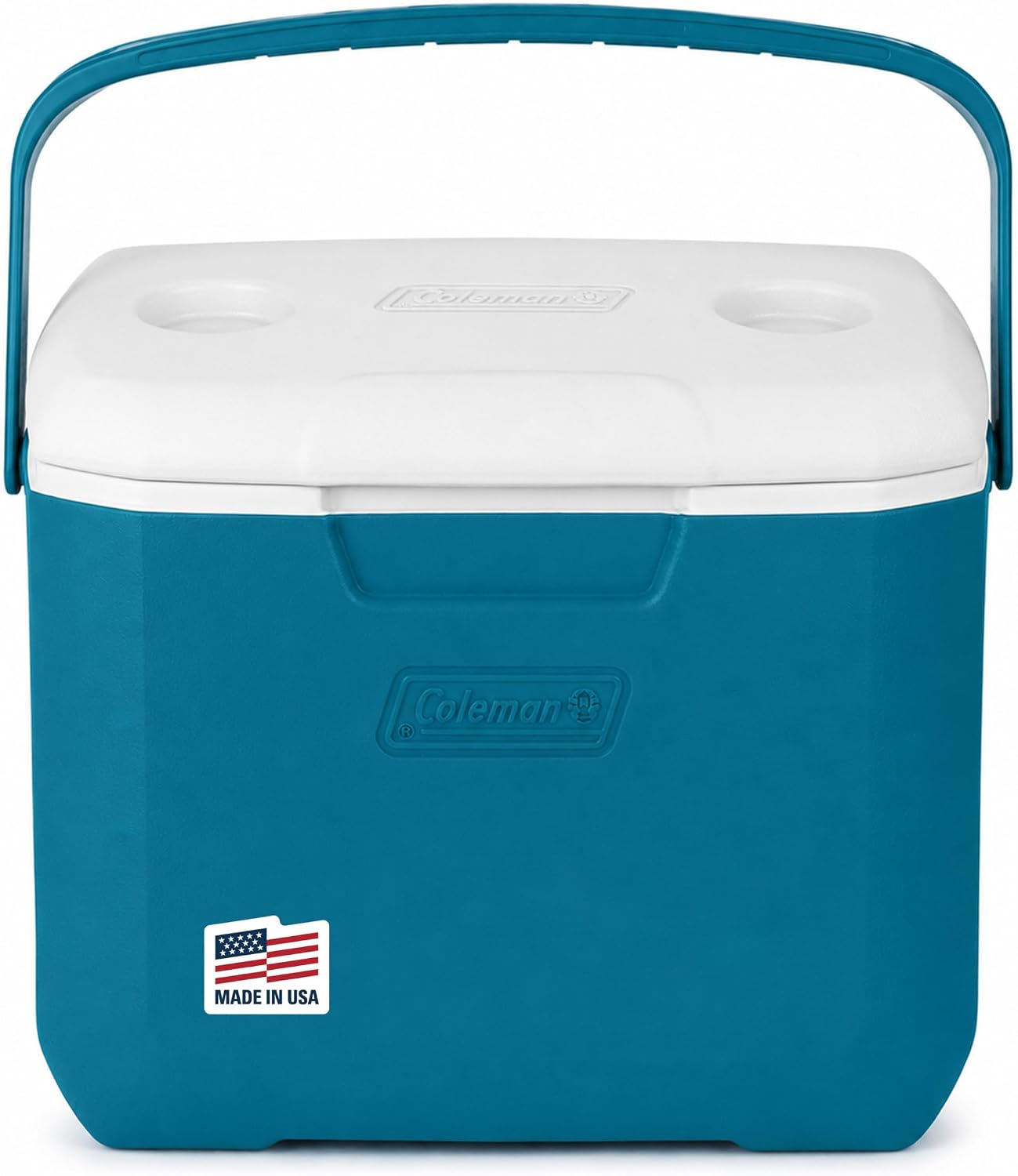
Coleman Chiller Cooler (9/16/30/48/60qt)
Hard-sided construction with ice retention and a leak-resistant build, offered in five sizes so you can size honestly
Heavy once it is full, and the smallest sizes are lunch duty only
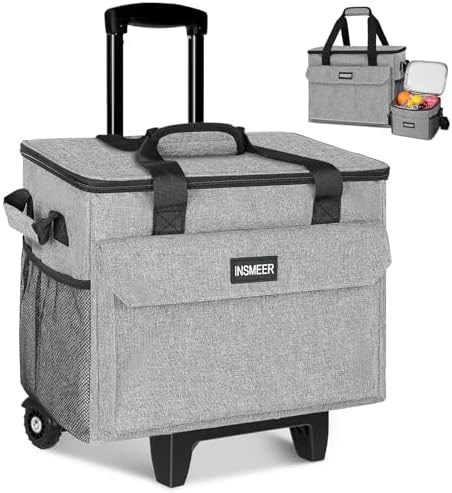
INSMEER Rolling Cooler with Lunchbag
Wheels, a collapsible body, and a separate lunchbag, which makes it the easiest 50-can cooler to move
Soft-sided walls and a 50-can ceiling mean shorter ice life than a hard box
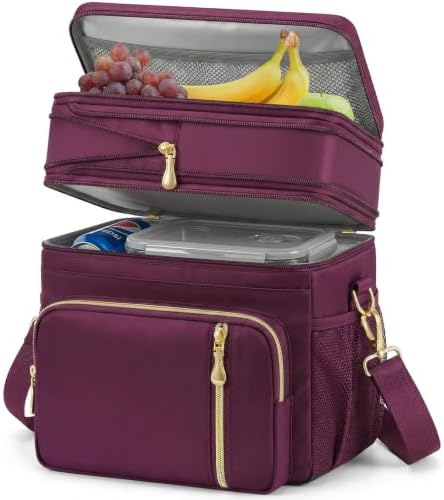
MIYCOO Cooler Bag with Expandable Double Deck
Expandable double deck keeps food out of the drink ice, leakproof liner, 60-can capacity
Still a soft bag with no wheels, and the deck eats interior height when expanded
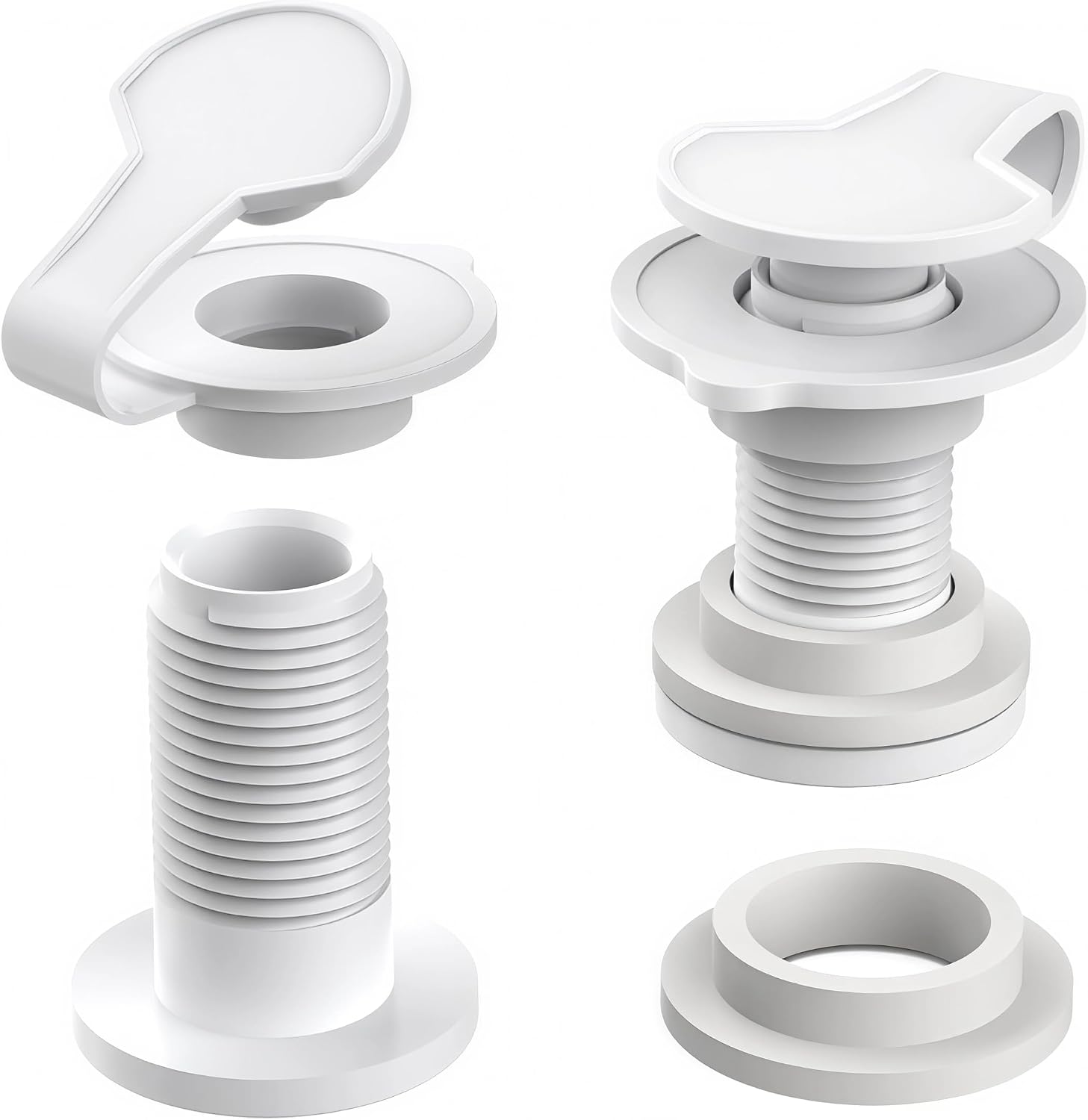
2 Pack 1.5 Inch Cooler Drain Plug Replacement Kit for Coleman Xtreme, Exact Fit, No Leaks, Cap + Shaft + Gasket Included
Two complete plugs with cap, shaft and gasket, built as an exact fit for Coleman Xtreme, turns a leaking cooler back into a cooler
Fits that cooler family only, and no plug kit fixes a warped lid gasket
Prices and availability were captured from Amazon Creators API and may change.
How I test a cooler before I trust it
I do not test coolers in a lab. I test them the way I guide: three-day trips, real food, real sun, and 20 pounds of ice per unit. The log starts at 6 AM Thursday and ends Sunday afternoon, and the lid gets opened the way a real trip opens it, which is to say constantly and without ceremony.
Three checks decide everything for me.
The gasket. Close the lid and look at the seal all the way around. A gasket with a wave in it, or a spot where it does not touch, is a cooler that lies to you. That gap is where the cold leaves and the warm air moves in.
The latches. Rubber straps beat plastic clips on a rough road. I have watched plastic latches pop open in a truck bed on washboard gravel, and I have watched a lid ride open for 40 miles.
The drain plug. Fill the cooler, tip it, and watch the plug. A drain plug is a feature until it leaks, and then it is the whole problem.
I will not hand a client a cooler I have not run through that. It is the reason this article is short on hype and long on the parts nobody photographs.
The hard-sided pick: the Coleman Chiller
Hard-sided is still the format that holds ice, and the Coleman Chiller is the one in this group built that way. It comes in 9, 16, 30, 48 and 60 quart sizes, and that matters more than any spec sheet, because the real question is not which cooler is best. It is which cooler you can still lift when it is full of ice, drinks, and a limit of walleye. A cooler you cannot lift is a dock ornament.
The two things to look at here are the leak-resistant build and the ice retention design. This is the format I trust for a multi-day trip, and it is the one I would point someone toward if they are done with soft bags sweating through the bottom of a truck bed. Size selection does the heavy lifting. The 9 and 16 quart models are lunch duty. The 30 is a day on the water for two people. The 48 and 60 are the ones that make a weekend work.
What it gives up is weight and portability. Fill a 60 quart to the top and you are not carrying it far without help. That is not a flaw, it is physics, and it is exactly why the rolling option exists.
The rolling option: INSMEER rolling cooler with lunchbag
Every cooler decision is a trade between ice life and how far you have to carry it, and the INSMEER rolling cooler picks the second one. It holds 50 cans, it collapses when it is empty, and it has wheels plus a lunchbag, which makes it the pick for tailgates, concerts, ball fields, and any parking lot where you are walking farther than you want to carry 40 pounds of drinks.
The collapsible body is the detail I like most. A cooler that folds flat lives in a closet or a truck box instead of taking up permanent floor space, and gear that stores easily is gear that actually gets used. The lunchbag is the second useful detail, because keeping sandwiches out of the drink ice is the difference between lunch and a soggy mess.
The trade is honest. A soft-sided rolling cooler is not a hard box. The walls are thinner, the lid is not a gasketed lid in the rotomolded sense, and 50 cans is the ceiling. On a 90 degree day, that is a day-trip cooler, not a three-day cooler. Buy it expecting hard-cooler ice retention and you will be disappointed, and that will not be the cooler's fault.
The cooler bag: MIYCOO expandable double deck
The MIYCOO cooler bag is the one in this group that solves organization instead of ice life. The expandable double deck separates food from drinks, and the 60-can capacity with a leakproof liner makes it a real option for a family picnic or a full day at the lake.
The double deck is the feature to think about carefully. Expanded, it gives you two layers, which is great for a long day with actual meals instead of a bag of chips. Collapsed, it is a single bag that fits in a trunk without a fight. What it does not do is turn a soft bag into a hard cooler. The leakproof liner is doing real work, though, and it is the difference between a bag that ruins your back seat and one that does not.
My honest read: this is a day-trip and picnic cooler. If your trips end with a drive home the same day, it does the job and it is easy to live with. If your trips end Sunday, you want the hard-sided cooler.
The part nobody budgets for: the drain plug kit
Here is the section of this comparison that has nothing to do with buying a new cooler and everything to do with the one already sitting in your garage. The 2 pack 1.5 inch drain plug replacement kit is built as an exact fit for Coleman Xtreme coolers, and it includes the cap, the shaft and the gasket for each plug.
A drain plug is the smallest part on a cooler and the fastest way to lose a day of ice. I have preached "test your drain plug" for years, and I have also been the guy who forgot and lost a day of ice on a trip because of it. The plug is where a cooler fails quietly. It does not crack open and spill. It seeps, and you find out when the ice is gone and the bottom of the cooler is a puddle.
Two plugs in one kit means you replace the leaking one and put the spare in the truck box, which is where it belongs. The limits are obvious: it fits Coleman Xtreme coolers, not everything, and no drain plug kit fixes a warped lid gasket. If your cooler is losing ice and the plug is dry, the problem is the seal, not the plug.
Which one for which trip
Match the cooler to the trip, not to the brand.
Three-day fishing trip or a weekend of camping: the hard-sided Coleman Chiller, sized to what you can actually lift. The 48 or 60 quart if two people are eating out of it for three days, the 30 if it is one person and a day on the water.
Tailgate, concert, ball game, any walk from the truck: the INSMEER rolling cooler. Wheels beat handles every time the walk is longer than a driveway.
Family picnic, day at the lake, grocery run: the MIYCOO cooler bag. The double deck keeps the food out of the drink ice.
Old cooler in the garage that seeps: the drain plug kit, before you spend money on a replacement.
And the trade-offs, stated plainly. Hard-sided gives you ice retention and takes your back. Rolling soft coolers give you mobility and give up ice life. Cooler bags give you organization and give up both. Drain plugs give you nothing until they leak, and then they give you everything.
One more thing, and it is the mistake I see most: size honestly. The biggest cooler you can afford is not the right cooler if you fill it halfway, because a full cooler holds cold far better than a half-empty one. Buy the size that matches your trip and your back, and check the current Amazon price on the size you actually need.
What I'm testing next
Right now my garage has nine coolers in it, 20 pounds of ice each, and a temperature log that starts at 6 AM Thursday. I am working through a 2026 group with the same three checks I use on everything: does the gasket seal clean and cold, do the latches survive a rough road, and how much ice is left after 72 hours. The results go in the log, not in the marketing copy.
Next up is a closer look at hard-sided coolers in the 45 to 60 quart range, plus a piece on gasket care, because a cooler is a promise and most of them lie. If you want the short version of this article, here it is: pick the format for your trip, check the gasket and the plug before you leave, and put a spare drain plug in the truck. The ice you save is the ice you get to use.