Related: How Long Does Ice Actually Last in a Cooler?
I bought my first cooler at a hardware store in Two Harbors when I was nineteen and trusted it the way you trust a dog that has not bitten anyone yet. By noon on day two of a three-day trip, eighty dollars of walleye had turned into a warm, sad smell, and I have never trusted a cooler on faith since. That was the week I started keeping an ice log.
Fifteen years of guiding on Lake Superior later, the log is still going. The portable coolers for camping that earn a spot in my boat are the ones that survive a 6 AM Thursday pack, a Friday of the lid opening every time somebody wants a sandwich, and a Sunday morning with ice still rattling in the bottom. Everything else is a handle and a hinge.
This guide is for people packing real food, not a six pack. Four coolers, three different jobs, and an honest read on which one does which.
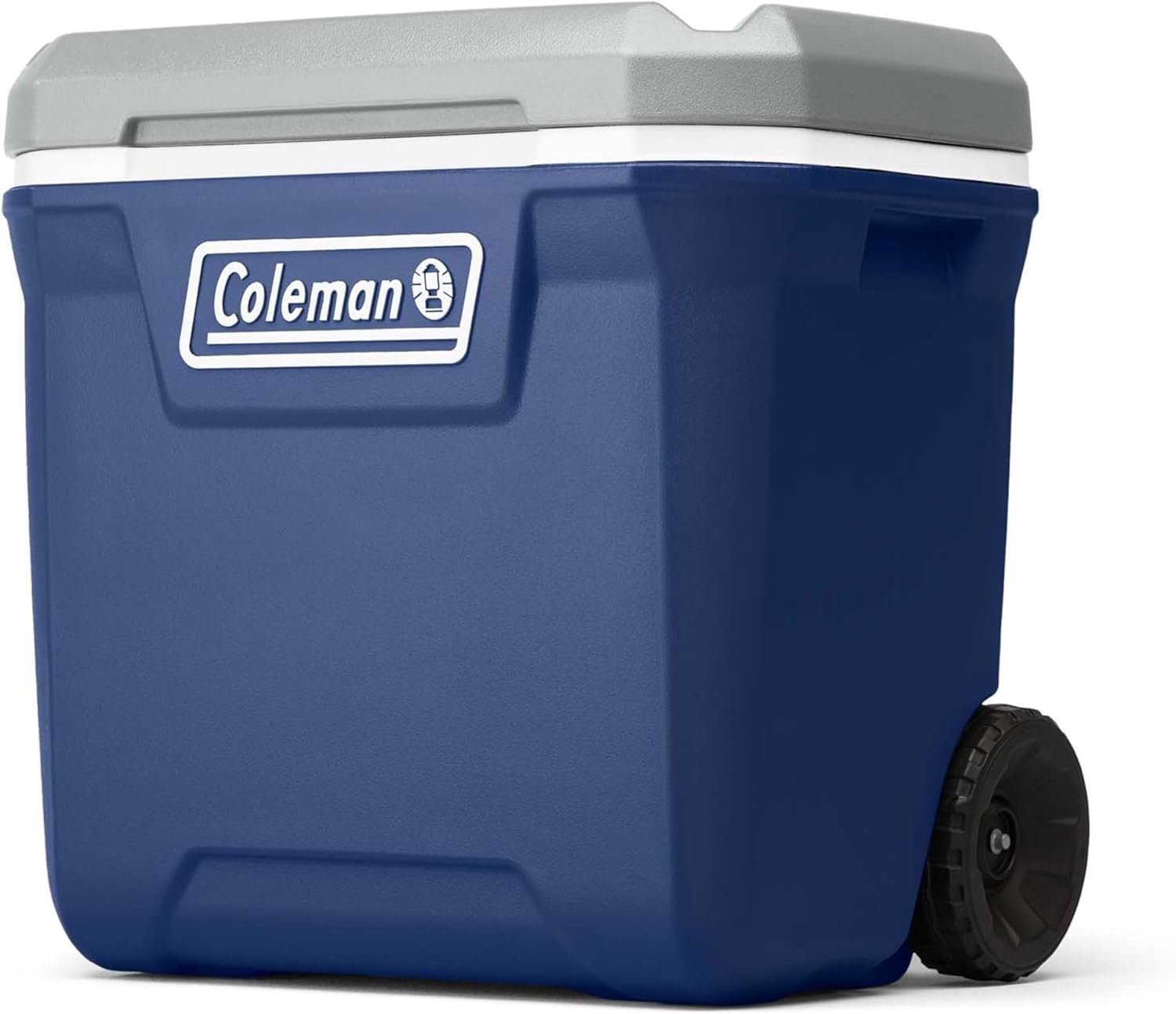
Best Overall: Coleman Classic Series Rolling Cooler
This is the cooler I hand to people who ask what to buy for a weekend of car camping, and it is the one I load when the truck parks within thirty feet of the site. It is hard-sided, it is leak-resistant, and it rolls. That last part matters more than any spec sheet admits. A cooler full of ice, drinks, and a couple of brats is heavy, and heavy is how a good cooler becomes a dock ornament.
Coleman says it keeps ice up to five days. I will be blunt with you: five days is a number measured with the lid shut, and nobody camps with the lid shut. Open that lid forty times over a long weekend in August and you are looking at a shorter story. But here is the thing. That claim is optimistic, not dishonest. This cooler still beats everything else in its price range, and I have watched it do it on gravel roads and boat ramps for years.
The hard side means it does not ride on your shoulder, it rides on its wheels. If your campsite is a walk-in site a quarter mile from the lot, buy something with a strap instead. If your site is a tailgate, this is your cooler. Check the drain plug before the trip, not during it. I learned that one the expensive way.
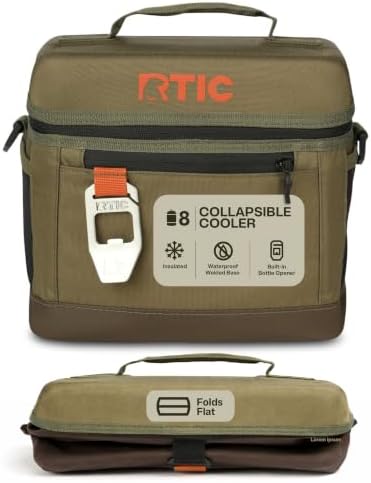
Best Soft-Sided: RTIC Everyday Cooler
RTIC built its reputation on doing what the premium brands do for less money, and the gasket seals on their boxes are as good as anything on the shelf. The Everyday Cooler is the soft-sided side of that family. It is made for lunch, the beach, the drive, the picnic, and the kind of camping where you are pulling up to a site and staying one night.
I want to be straight about what a soft bag is and is not. A soft-sided cooler has thinner walls than a rotomolded box. It cannot hold ice through a three-day trip with real food in it, and nobody who tells you otherwise has run a log. What it can do is keep drinks cold and lunch honest for a day, and it does that while being light enough to carry with one hand and small enough to live behind the truck seat.
Where RTIC wins is the build. The zipper is the weak point on every soft cooler ever made, and this one is put together like it expects to be used, not displayed. If your camping is mostly day trips and your cooler rides in the cab, this is the one I would grab. If you are packing four days of food, go back up and read the Coleman section again.
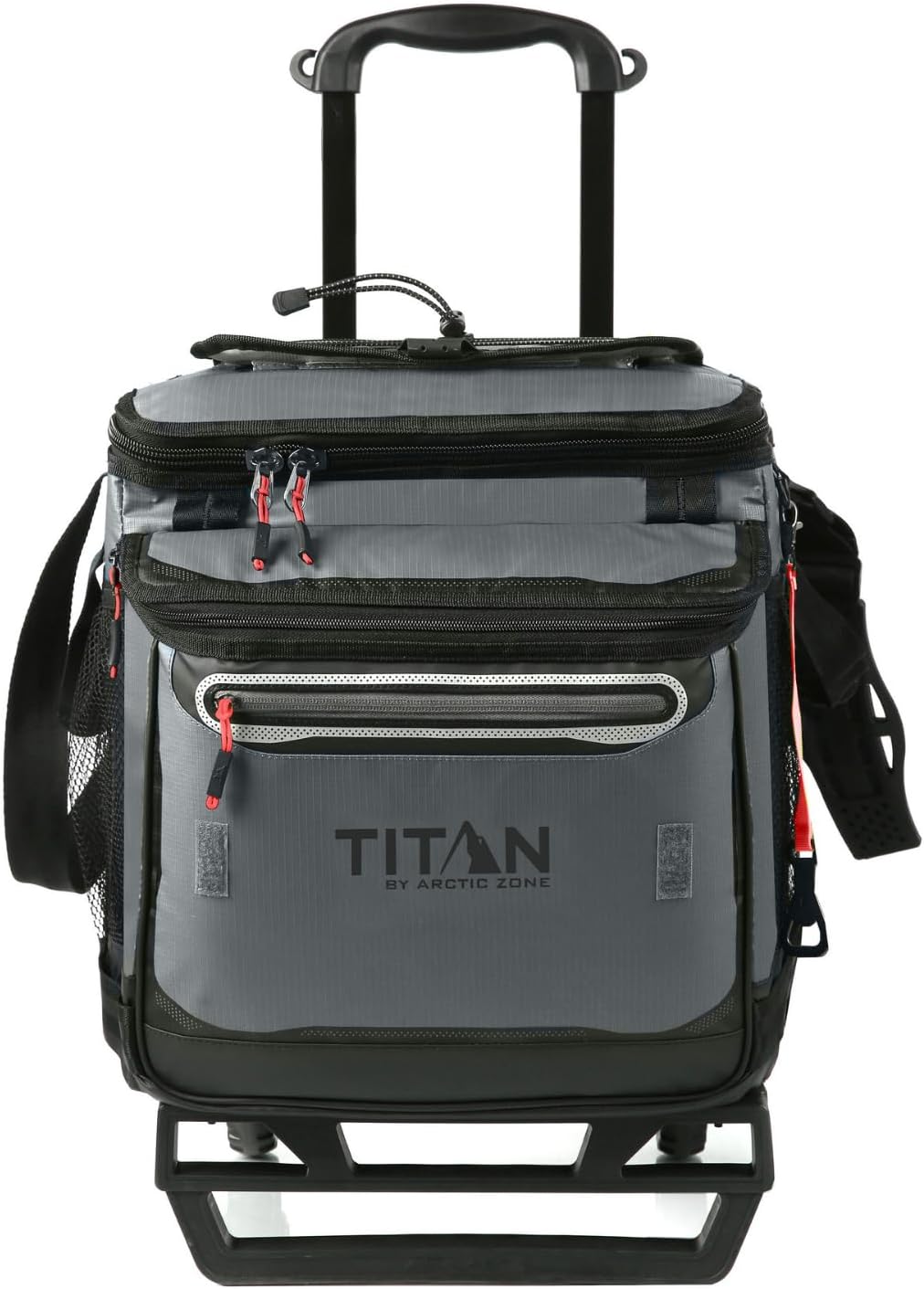
Best for a Crowd: Titan 60 Can Cooler with Wheeled Cart
Read the name carefully, because it tells you exactly what this cooler is. Sixty cans. A wheeled cart. Ice up to three days. This is a beverage cooler, and the cart is the whole point. You do not carry it, you pull it, which is what you want when the party is fifty yards from where you parked.
Here is the honest read on can counts. Sixty cans means sixty cans and nothing else. No potato salad, no burger patties, no ice for the drinks once the drinks are gone. Can capacity is a marketing number, and it assumes you are packing nothing but beverages and stacking them like a Tetris champion. Treat this as the drink cooler for a tailgate, a dock party, or a family reunion, and keep the food in something else.
The three-day ice claim is more believable than the five-day claims you see on cheaper boxes, mostly because a cooler that gets opened for drinks and shut again loses less cold air than one where somebody is digging for a casserole. If you host more than you camp, this is a smarter buy than a premium box, because the premium box will just sit in the garage between events.
Best for the Worksite: Carhartt Soft Shell Lunch Bag
I have spent a lot of years making fun of lunch boxes that market themselves as coolers. If it has a cup holder, it is a lunch box. This one does not pretend to be anything else, and that is exactly why it earns a spot here.
The Carhartt soft shell is built for construction sites and everyday use, and it is the bag I take when the trip is a morning on the water and a sandwich at the landing. It will not hold ice for three days. It is not supposed to. It will keep a sandwich, a bottle of water, and a couple of snacks cold until noon, and it will survive being thrown in the back of a truck next to a wet wader bag, which is more than I can say for most soft bags at this end of the market.
If you are a guide, a contractor, or somebody who eats lunch in a truck, this is the one that gets used every single day. Durability is a form of value that never shows up in an ice log, and Carhartt has been winning that argument for a hundred years. The rest of these coolers sit in the garage between trips. This one lives in the truck.
How I test coolers
Every cooler I recommend goes through the same protocol, and it starts on a Thursday.
Twenty pounds of ice, evenly distributed, with a temperature log that runs from 6 AM Thursday to Sunday morning. I open the lid twice a day at set times, because a cooler that only holds ice when nobody touches it is a cooler that lies to you. I write down the temperature, the ice condition, and the water level from the melt.
Then I check the parts that actually fail.
The gasket is the whole game. Close the lid on a dollar bill and pull. If the bill slides out with no resistance, that seal is not sealing, and no amount of thick insulation will save it. A warped gasket is a cooler that lies to you.
The latches get tested on a washboard road, because latches that pop open on rough roads are how you lose a day of ice and learn a lesson about gravity.
The drain plug gets checked before the trip, not during it. I have forgotten that step exactly once, and I gave up a day of ice for the privilege.
And then I lift it full. A cooler you cannot lift when full is a dock ornament. Size honestly, and if you cannot carry it, buy one with wheels.
Analysis and test results
Ice retention is the only spec that matters. Everything else is a handle and a hinge, and I mean that literally.
What separates these four is not brand loyalty, it is wall construction and seal quality. Hard-sided coolers like the Coleman and the Titan have thicker insulation and a lid that closes against a gasket, so they hold cold air through a weekend of real use. Soft-sided coolers like the RTIC Everyday and the Carhartt bag have thinner walls, which is why they are light and portable and why they are day coolers. That is not a flaw. It is a design decision, and the mistake is buying one for a job it was never built to do.
The second thing that decides your weekend is you. Pre-chill the cooler with a bag of ice the night before. Use block ice for the long haul and cubes for the drinks. Keep it out of direct sun, because a cooler sitting in the bed of a truck in July is a cooler fighting a losing battle. Fill the empty space with food or towels, because air is the enemy. And do not drain the water. Cold water is your friend. Every guide I know has watched somebody dump perfectly good ice water down a drain on day two and then wonder why day three was a warm disaster.
Rotomolded boxes are worth the money if you fish, camp, or tailgate more than ten days a year. If you go out three times a summer, a box like the Coleman will serve you for a decade and you can put the difference into gas. That is the honest math, and it is the math most gear reviews skip because it does not sell anything.
Browning is a liar in the cooler world too. A cooler that looks clean and sturdy on the shelf tells you nothing about whether the seal holds. The only test that counts is the one that starts Thursday and ends Sunday.
The cooler comparison table
This is the table I keep in my notes, and it is the same one I check before every trip. Claimed ice life is the manufacturer's number, not mine.
| Cooler | Style | Best for | Claimed ice life | The honest read |
|---|---|---|---|---|
 Visit on Amazon → Coleman Classic Series rolling cooler |
Hard-sided, wheels | Car camping, tailgates, boat ramps | Up to 5 days (maker's claim) | Best value in a hard box. Rolls, so you are not carrying it. Check the drain plug. |
 Visit on Amazon → RTIC Everyday Cooler |
Soft-sided | Day trips, beach, picnic, lunch | Not stated by the maker | The soft bag I would actually buy. Light, honest, and built to be used. |
 Visit on Amazon → Titan 60 Can Cooler with wheeled cart |
Hard-sided, wheeled cart | Tailgates, parties, docks | Up to 3 days (maker's claim) | A drinks cooler, not a food cooler. The cart is the reason to buy it. |
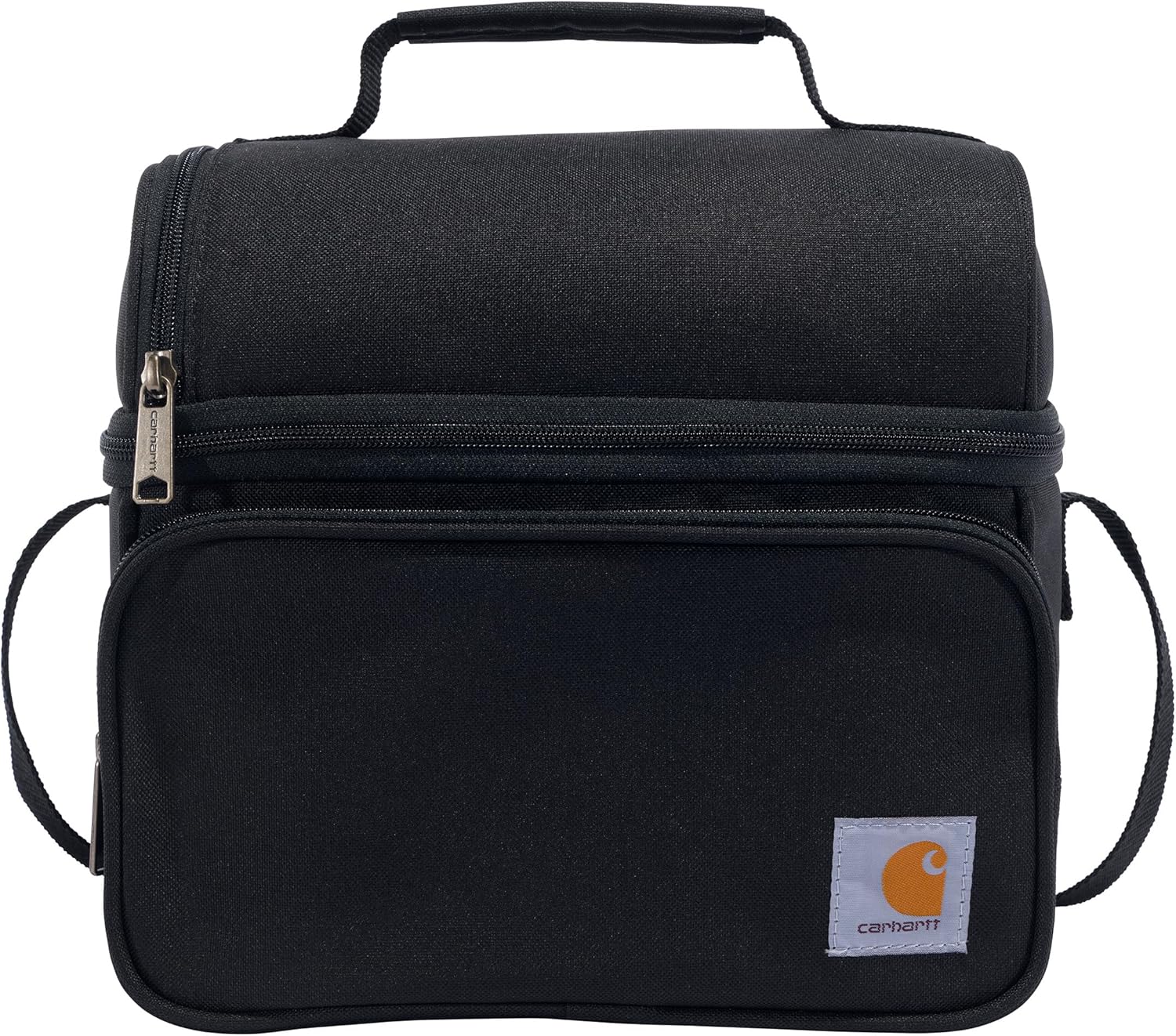 Visit on Amazon → Carhartt soft shell lunch bag |
Soft-sided lunch box | Worksites, the truck, morning on the water | Not stated by the maker | Not a trip cooler and does not claim to be. Daily durability winner. |
The pattern in that table is simple. The harder the wall, the longer the ice. The lighter the bag, the more often you will actually carry it. Buy for the trip you take most, not the trip you take once.
Should you buy the Coleman Classic Series rolling cooler?
Yes, if your camping involves a vehicle within a reasonable distance of your site. It is hard-sided, it is leak-resistant, and the wheels do the work that your back would otherwise do. The five-day ice claim is optimistic, and I will keep saying that, because I have watched optimistic claims turn into warm food on day two.
But it beats everything else under a hundred dollars, and it beats them for years. I still own a Coleman that has been in my garage for twelve years and has never once failed me on a weekend trip. That is the test that matters, not the spec sheet.
If you are a walk-in camper or you portage, skip this one and go soft-sided.
Should you buy the RTIC Everyday Cooler?
Yes, if you want one bag that handles lunch, the beach, the drive, and a one-night campout without weighing anything. RTIC's whole business is delivering the seal quality of the expensive brands without the price tag, and the Everyday Cooler lives up to that reputation.
Just do not ask it to be a three-day cooler. It is not one, and no soft bag is. Buy it for the day trips and the tailgate and the cooler behind the seat, and it will earn its money. Buy it for a four-day fishing trip with a client's catch in it, and you will be disappointed, and that disappointment will be your fault, not the bag's.
The bottom line
Match the cooler to the trip. Weekend car camping with real food, take the Coleman. Day trips and lunches, take the RTIC. A crowd and a parking lot, take the Titan and its cart. A truck and a lunch pail, take the Carhartt.
And whatever you buy, start your own ice log. Write down what you packed, when you opened it, and how much ice was left on Sunday. Two trips of that and you will know more about your cooler than any review can tell you. A cooler is a promise. Keep the log and you will find out which ones keep it.