Every cooler ice retention comparison I run starts the same way: 20 pounds of ice, a temperature log that opens at 6 a.m., and 72 hours of weather that does not care about marketing copy. I guide on Lake Superior, which means my boxes live on a boat deck in July sun and in a truck bed in October sleet. I have watched a cheap cooler turn a limit of walleye into a warm, sad smell by noon. So when I line gear up, I line it up by what it promises and what it can actually hold.
This comparison covers four products that ended up on my bench for the same reason: all four decide how long your food stays cold. The YETI Tundra 45 Cooler is the benchmark rotomolded box, the one everything else gets measured against. The Klein Tools 55600 Work Cooler is a 17-quart tradesman's lunch box that claims 30 hours of cold and 300 pounds of seating. The Arctic Ice Alaskan Series ice pack is the reusable cold source that replaces loose ice. And the stainless steel cooler hinges are the small replacement part that fixes the failure point on nearly every cheap cooler I have owned.
The short answer: if you fish, camp, or tailgate more than ten days a year, the YETI Tundra 45 is the box to beat, and the Klein Tools 55600 is the smarter buy for anyone who needs lunch cold rather than a week of ice. But that is the short answer. The long answer involves gaskets, latches, drain plugs, and the honest question of whether you can lift a full cooler off a dock.
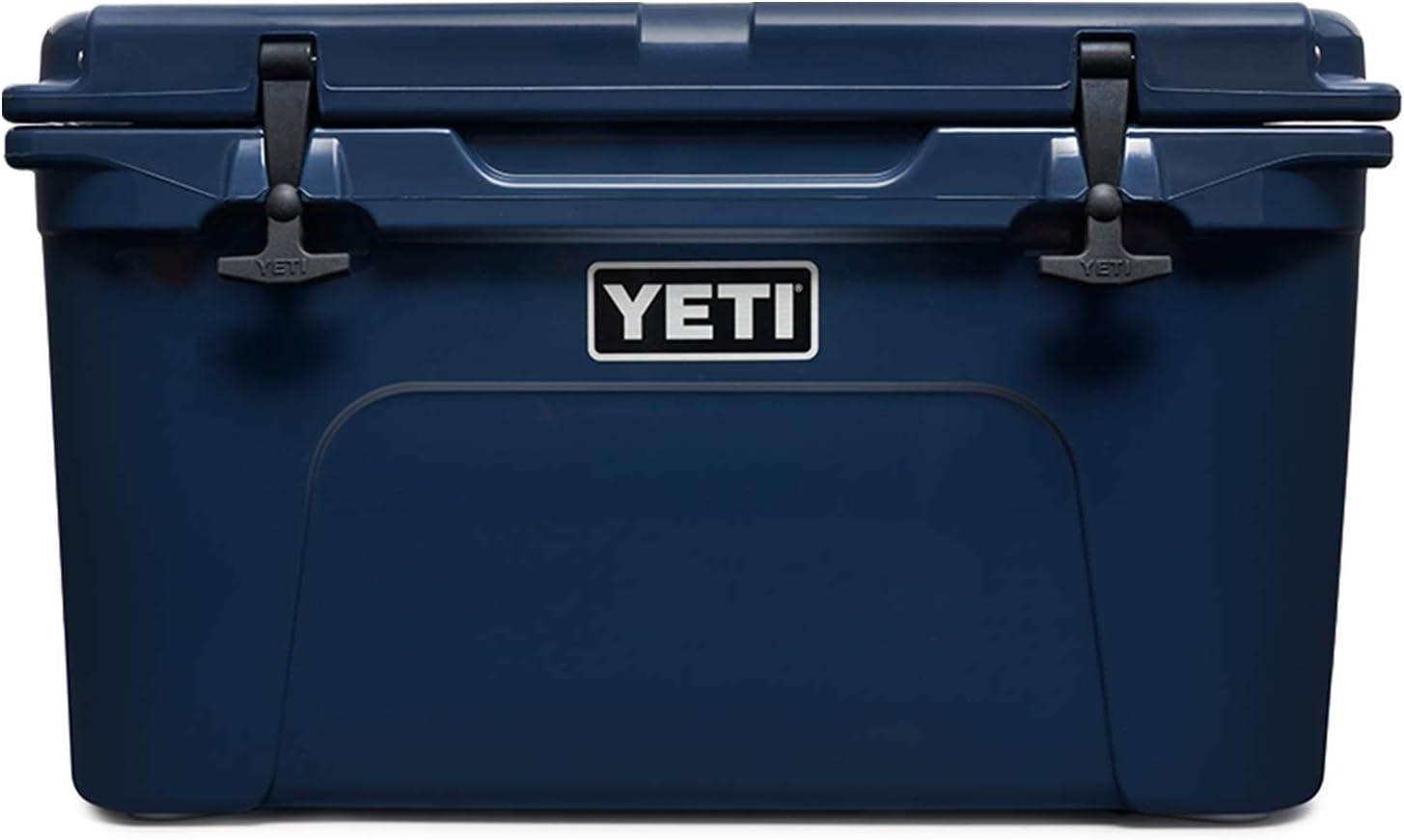
YETI Tundra 45 Cooler
Rotomolded one-piece build, the ice retention benchmark, hinge and latches that survive a boat deck
Heavy when full, and 45 quarts is a two-person lift
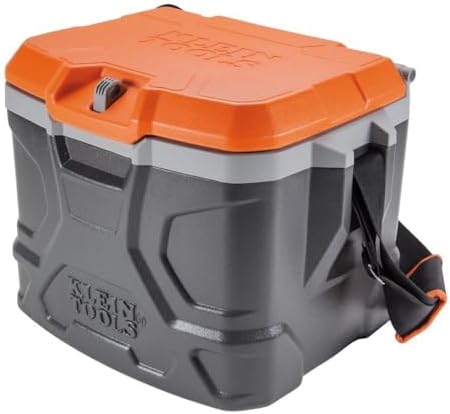
Klein Tools 55600 Work Cooler
17 quarts, holds 18 cans, rated 30 hours cold, seats 300 lb, tough enough for a truck bed
Not a multi-day ice chest, and 30 hours is not a 3-day trip
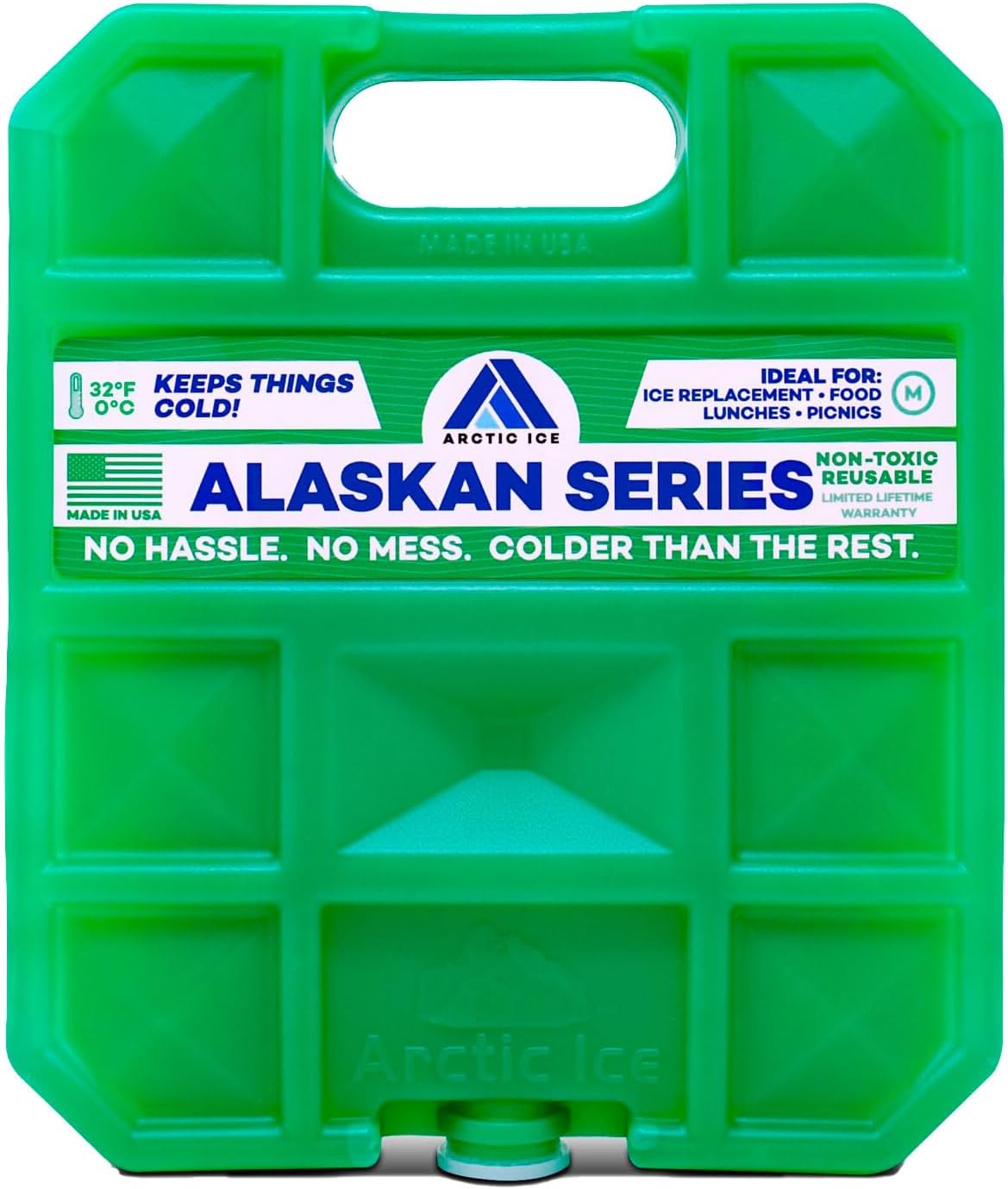
Arctic Ice Alaskan Series Ice Pack
Freezes at 32 degrees Fahrenheit, reusable, no meltwater soaking your food
Needs freezer space and supplements ice rather than replacing it
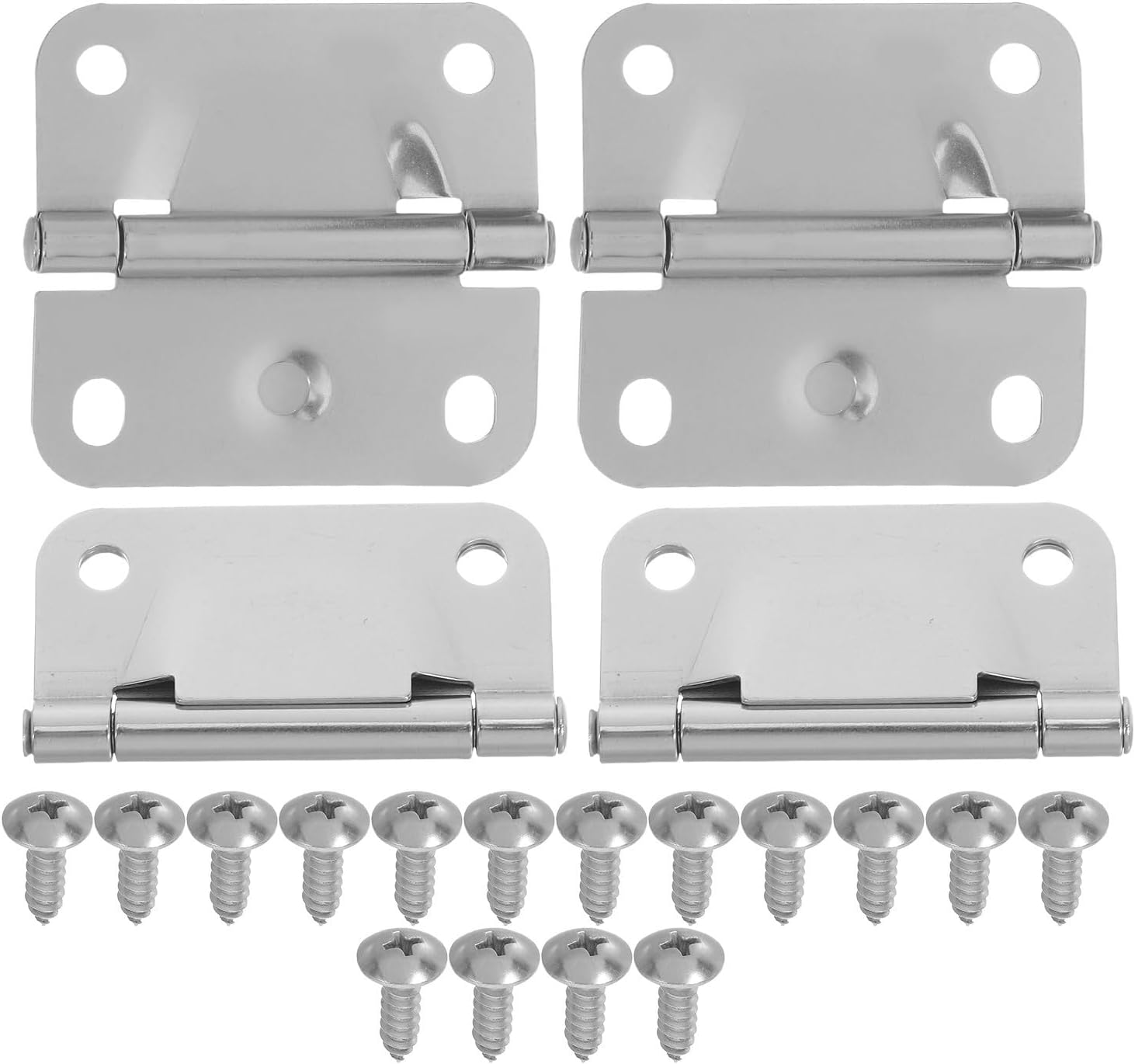
Stainless Steel Cooler Hinges Universal Replacement
Stainless resists rust, fixes the most common cooler failure for a fraction of a new box
Universal means measuring twice, and no hinge saves a warped lid
Prices and availability were captured from Amazon Creators API and may change.
How I test a cooler
I do not trust a spec sheet. I trust a log. My protocol is boring and repeatable: 20 pounds of ice, a closed lid, one opening per meal, a thermometer reading at 6 a.m. and 6 p.m., and a note on ambient temperature. Three days minimum. If a box cannot hold ice through Sunday, it does not get recommended for a trip that starts Thursday.
The reason I run it that way is a client who needed a cooler for insulin. That is not a tailgate. That is a medical supply, and a cooler that lies about ice retention is not a minor annoyance. Since then I have judged every box on four questions. Does the gasket seal clean and cold? Do the latches survive a rough road? How much ice is left at 72 hours? Would I trust it with a client's catch on a 90-degree day?
That is the filter I applied to these four products. Two of them are coolers. Two of them are the support system that decides whether a cooler performs.
The benchmark: YETI Tundra 45 Cooler
The Tundra 45 is the box everything else gets compared to, and it earns that spot on structure before it earns it on ice. Rotomolded construction means the body is one thick piece of plastic with no seams to leak and no thin spots to sweat. That is the single biggest predictor of ice retention I know, because it removes the two failure modes that kill budget coolers: a warped lid and a wall that cannot hold a temperature differential.
The hinge and the latches are the other half of the story. The lid hardware is the part I have watched survive a decade of boat decks, and the rubber latches hold tension instead of popping on washboard gravel. If you have driven a Forest Service road with a cooler in the bed, you know exactly why that matters. A latch that pops is a cooler with the lid cracked, and a cooler with the lid cracked is a cooler that is not doing its job.
45 quarts is the honest size for a two-person fishing weekend or a family day at the lake. It is also heavy when full, and that is the trade-off nobody puts in the marketing. A loaded 45-quart box with ice and a limit of fish is a two-person lift, not a one-hand carry from the truck to the dock. If you fish solo, size down or accept two trips.
Who it is for: anyone who uses a cooler more than ten days a year, anyone who keeps a box on a boat or in a truck bed, and anyone tired of replacing a cheap cooler every other summer. The gasket is the whole game, and this is the box where the gasket stays where it belongs.
The lunch box that knows its job: Klein Tools 55600
This is not a competitor to the Tundra. It is a different product with a different job, and the comparison only works if you say that out loud.
The Klein Tools 55600 is a 17-quart work cooler built for a jobsite and a truck cab. It holds 18 cans, it is rated to keep cool for 30 hours, and it is built to seat 300 pounds, which tells you the shell is meant to be sat on, stood on, and thrown in a bed without cracking. That is a real design priority, and it is why this box makes sense for a different buyer: the electrician, the framer, the tailgater, the person packing sandwiches at 5 a.m.
Where it loses is where every lunch box loses. A 17-quart box is not a 3-day ice chest. The 30-hour rating is honest for what it is, and it is also less than half of what a rotomolded 45-quart box will do with real-world openings. If you need ice on Sunday from a Thursday pack, this is not the tool.
The case for it is honesty about size. A cooler you cannot lift when full is a dock ornament. A 17-quart box at a carryable weight actually gets taken to the boat, to the blind, to the tailgate, and used. My rule is simple: buy the box you will carry, not the box that wins the spec sheet.
Ice packs: the cold source, not the cooler
Ice packs are not coolers, and treating them as a substitute is how people end up disappointed. What the Arctic Ice Alaskan Series does well is remove the mess. It freezes at 32 degrees Fahrenheit, which means it holds at the freezing point instead of dropping well below it and freezing your food. That matters if you are packing lettuce, eggs, or anything you would rather not thaw into mush.
The reusable angle is the real value. Loose ice becomes meltwater, and meltwater is the enemy of a dry sandwich and a dry catch. A pack that holds its shape and drains clean means you are not pouring lake water out of your cooler at the end of the day.
The limits are obvious and worth saying out loud. A pack takes freezer space, it needs to be frozen solid before you leave, and it supplements ice rather than replacing it on a multi-day trip. In a small box for a day trip, one or two packs plus a little ice is a clean setup. In a 45-quart box on a 3-day run, packs are a supplement, not a plan.
Pairing matters more than the pack itself. A good pack inside a box with a bad gasket is a cold source leaking into the atmosphere. Fix the seal first, then talk about what goes inside.
The fix nobody thinks about: stainless replacement hinges
Every cheap cooler I have owned failed at the same place: the hinge. Not the body, not the lid, not the drain plug. The hinge. Plastic hinges crack, screws pull out of thin plastic, the lid starts to sit crooked, and a lid that sits crooked is a gasket that cannot seal.
A stainless steel replacement hinge is the least glamorous product in this comparison and possibly the most useful. Stainless resists rust in a wet cooler environment, which is exactly where cheap hardware goes first. If your box is otherwise sound and the lid is sagging, new hardware is a fraction of the cost of a new cooler.
The caveat is the word universal. Universal fit means you measure your hinge spacing, the screw hole pattern, and the lid thickness before you order, and you are prepared to drill. On a thin-walled box, the screws need backing or they will pull through the same way the originals did. And no hinge saves a lid that is already warped or a gasket that has gone flat. Hardware fixes hardware problems. It does not fix a bad box.
The trade-offs that actually matter
Here is what separates these four products when you are standing in a cold garage at 5 a.m.
Gasket first. The rubber seal around the lid is the whole game. A gasket that seals clean and cold keeps the cold air where you put it. A warped one is a cooler that lies to you, and no amount of ice, packs, or new hinges will fix it.
Latches second. Rubber straps beat plastic clips on a rough road, every time. If your latches pop on washboard gravel, you are running an open box with extra steps.
Drain plug third. A drain plug is a feature right up until it leaks. Test yours in the driveway with a gallon of water, not on the water with a limit of fish. I learned that one the expensive way.
Weight and size last, and they matter more than people admit. The Tundra 45 is the better cooler and the harder one to move. The Klein 55600 is the easier one to move and the wrong one for a 3-day trip. Neither is a flaw. They are two answers to two different questions.
Then there is the money question, which I will not answer with a number because prices move. Check current Amazon price on each and do the math against how many days a year you actually use a cooler. Under ten days, a work cooler and a couple of ice packs cover you. Over ten, the rotomolded box pays for itself in fish you did not throw away.
Three builds I would actually pack
Day trips, tailgates, job sites: the Klein Tools 55600 with a frozen Arctic Ice pack inside. Light, tough, and sized for what you really carry.
Weekend fishing, two people, one night: the YETI Tundra 45 with block ice, a pack or two, and a pre-chilled box. Pre-chilling matters more than people think. A warm cooler eats its first ten pounds of ice just getting cold.
Old cooler with a sagging lid: stainless hinges first, then a gasket check, then decide whether the box is worth saving. If the walls are thin and the lid is warped, put the money toward the Tundra instead.
What I am testing next
The 3-day ice test is running on nine units right now, 20 pounds of ice each, and a log that starts at 6 a.m. Thursday and ends Sunday night. The question I want answered is not which box wins. It is how much of the gap between a work cooler and a premium rotomolded box is real ice retention, and how much is just a hinge, a gasket, and a lid that closes square. I will have the log in three weeks. Until then, test your drain plug before the trip, not during it.